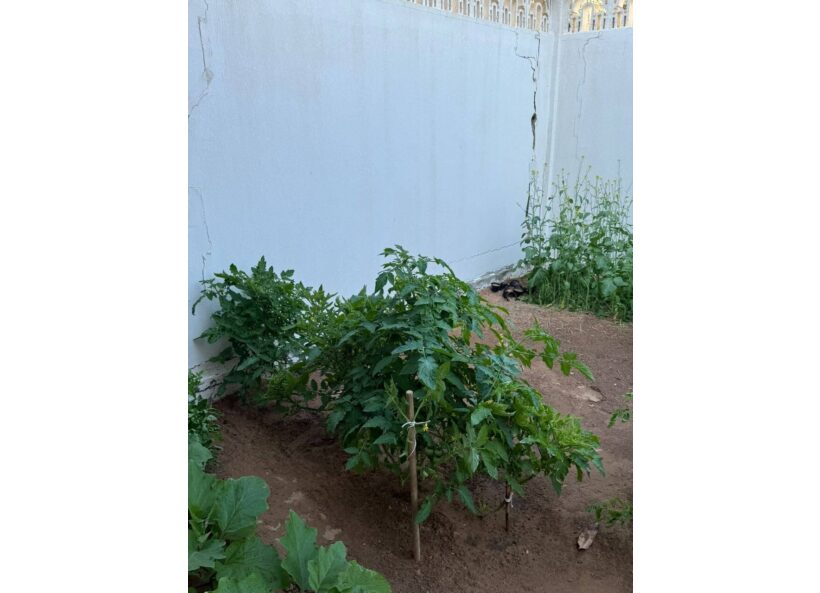
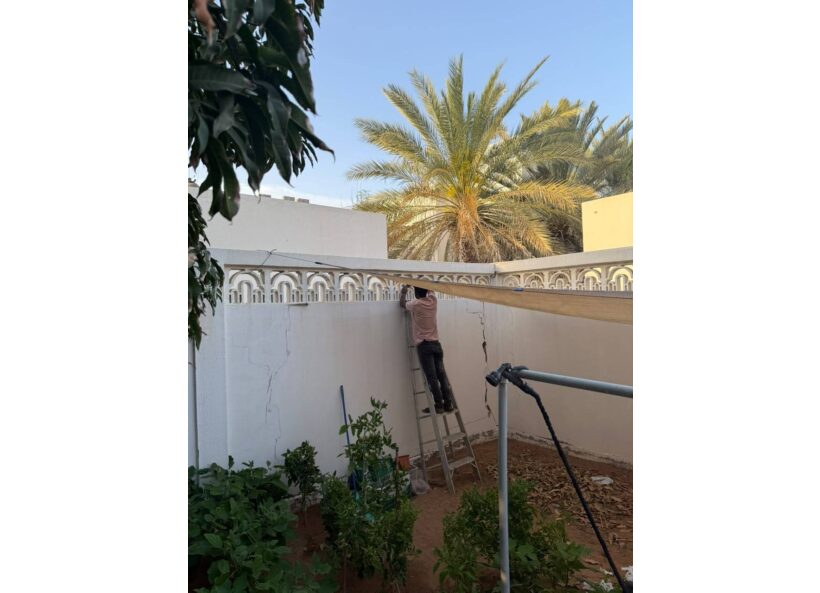
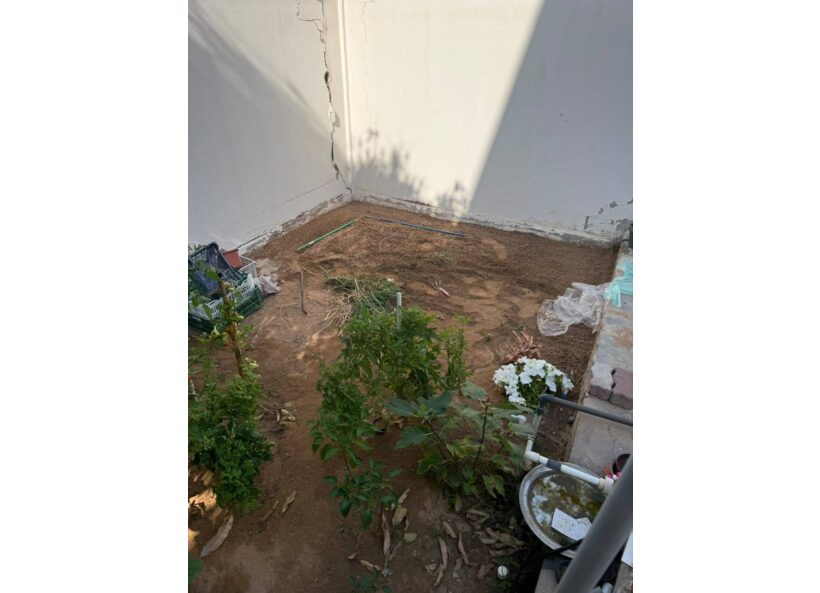
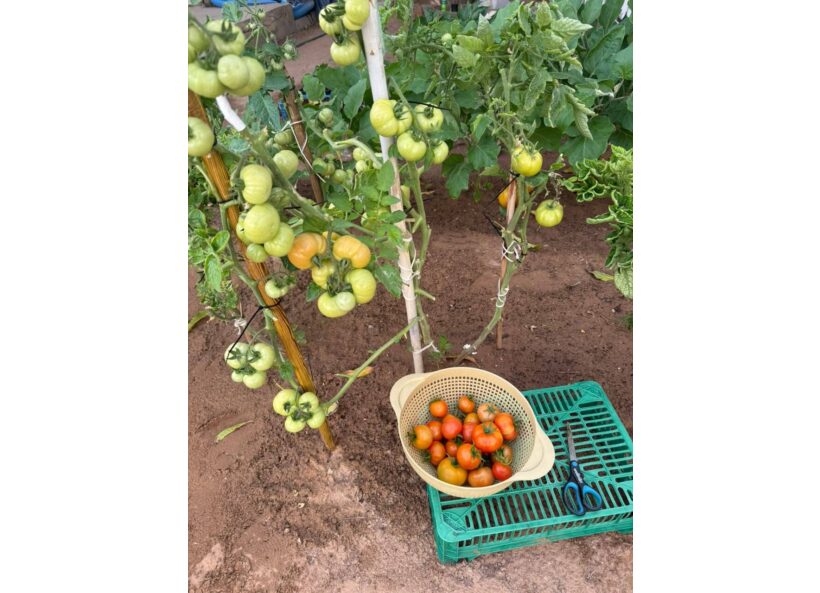

How and When this Mission Began
The Question That Created Change!
Every meaningful conservation project begins with a simple question.
One day, while we were outside our home, Muhammad quietly asked,
"Why don't butterflies visit our home?"
He paused for a moment and then added,
"The last time I remember seeing butterflies was at the Butterfly Garden in Noor Island."
As we thought about his question, we realized something surprising. It had been a long time since we had seen a butterfly in our own neighborhood. And we could not remember the last time we had seen a honeybee nearby.
Muhammad's simple observation became the starting point of our mission.
We wanted to understand what had changed and whether there was something we could do to help.
We began asking new questions.
- Why were butterflies not seen in our area?
- Where had the bees gone?
- Do we have flowers for pollinators anywhere here?
- Were pollinators finding enough food ?
- Could one family's garden make a difference?
- We kept planting vegetables from time to time, but with only individual plants, the yield was not very successful. Would focusing on creating a pollinator-friendly garden first, help improve our vegetable production in the long run as well?
- Why are there few pollinators in our area? Is it because of the hot weather, or because there are not enough pollinator gardens? Can a pollinator garden survive hot climate and help bring pollinators back?
These questions transformed our curiosity into a conservation mission.
We learned that pollinators need more than beautiful flowers. They require a safe habitat with continuous sources of nectar and pollen throughout the year, healthy soil, clean water, shelter, and freedom from harmful pesticides. When these resources disappear, pollinators disappear too. That realization became the foundation of our mission.
Our goal became restoring a small piece of biodiversity, creating a safe haven for pollinators, and proving that even one family can contribute to protecting nature.
This is how our pollinator garden began, with the curiosity of a child and a single question that inspired an entire conservation journey.
First we did research on
Essentials of a pollinator garden:
Flowers blooming across different seasons.
A variety of flower colours, shapes, and sizes.
Nectar for energy.
Healthy, living soil.
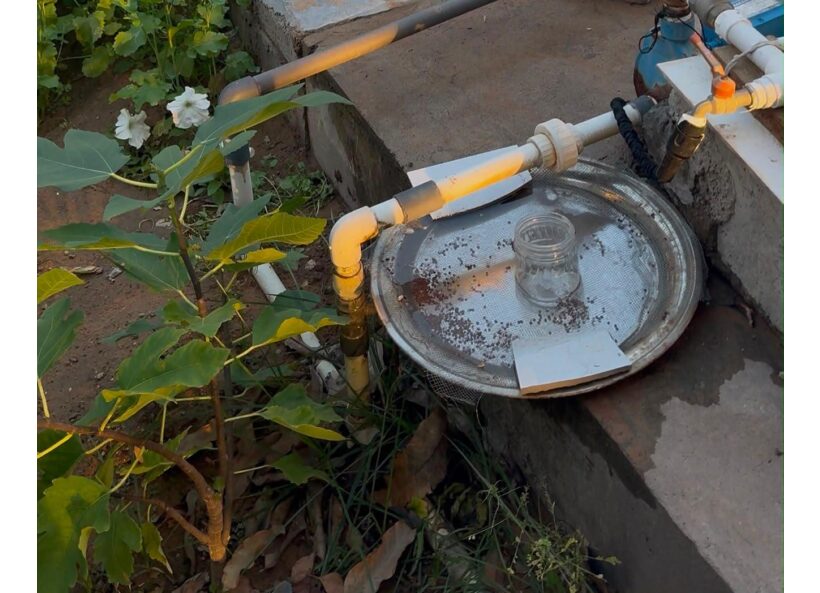
Water source
Shelter from extreme weather.
Safe nesting sites.
No chemicals/ pesticides.
Preparing Soil
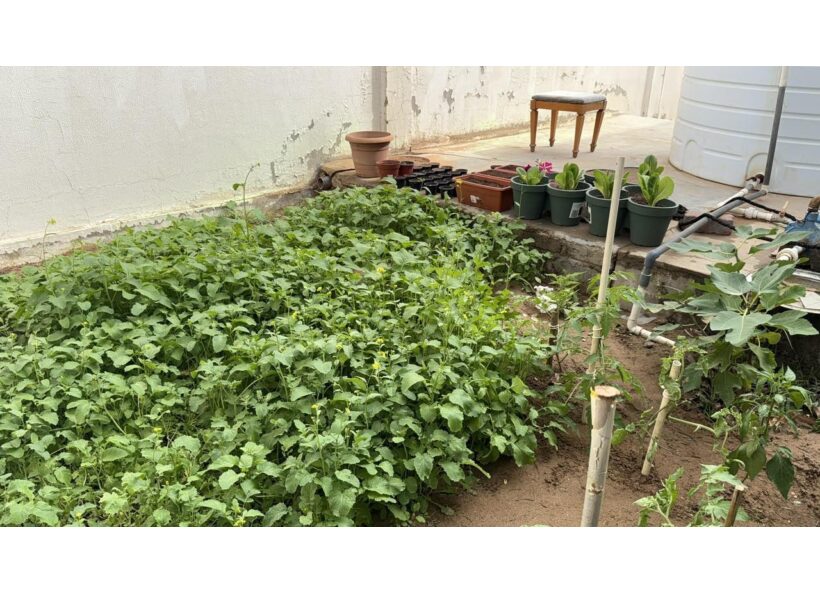
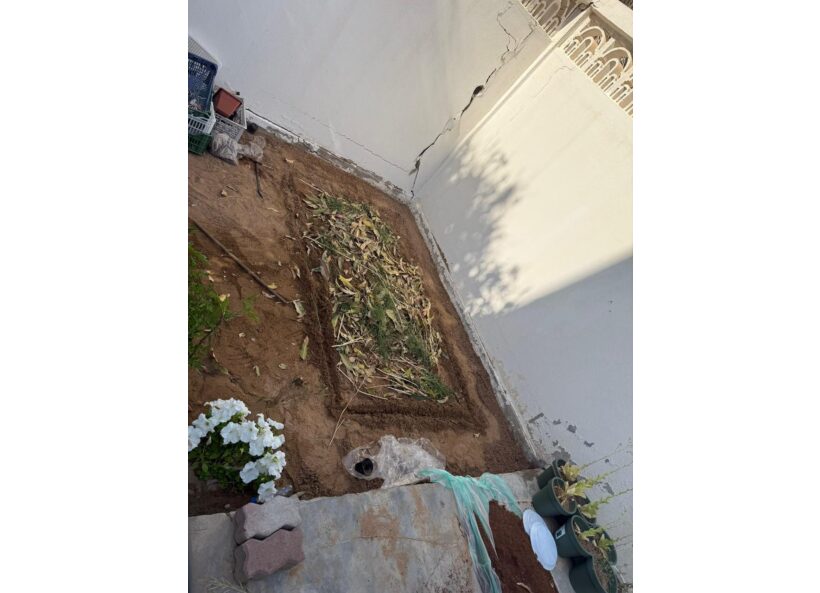
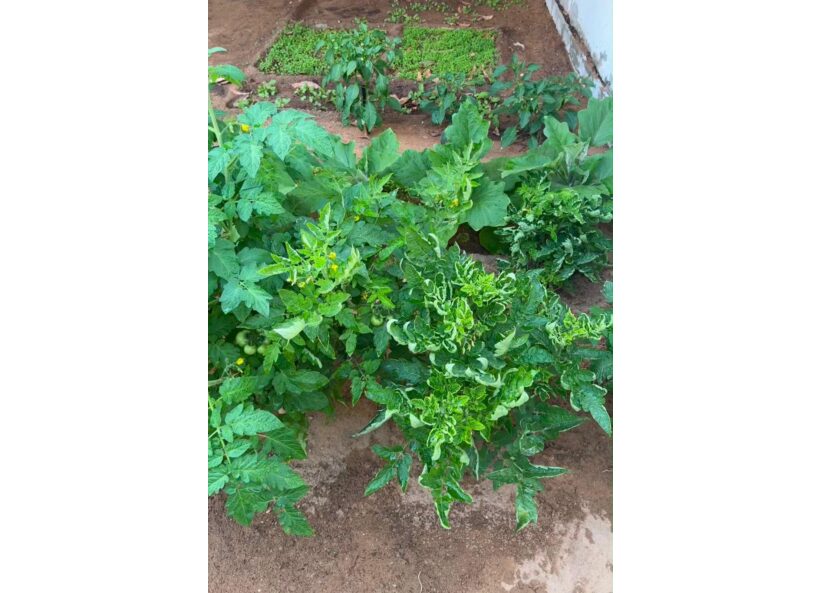
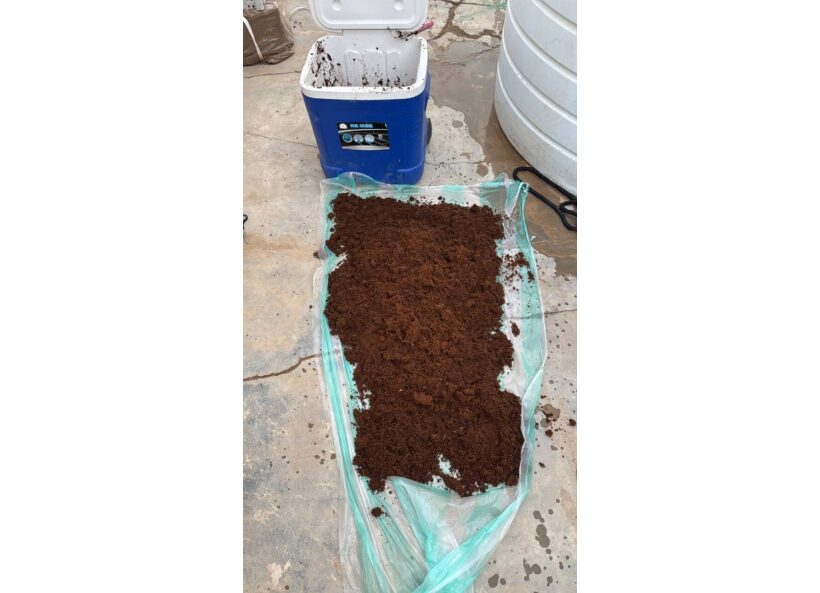
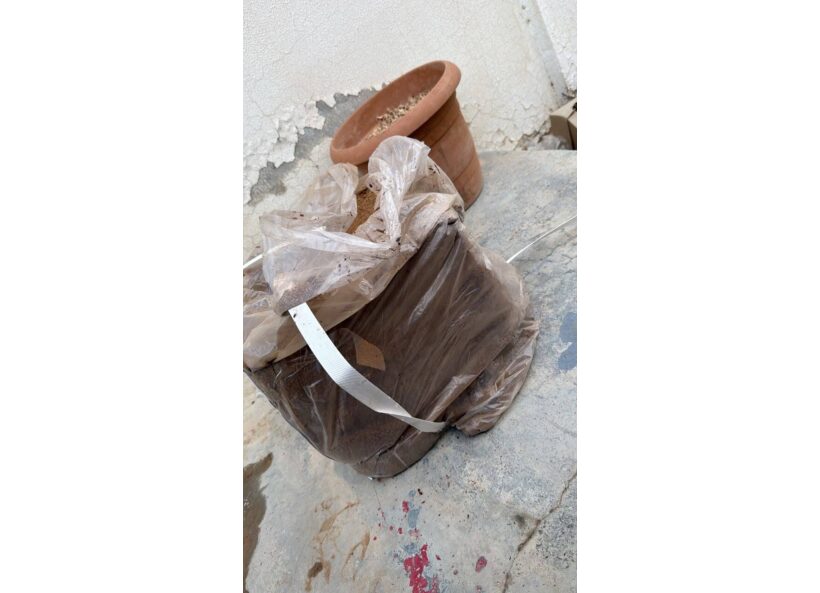
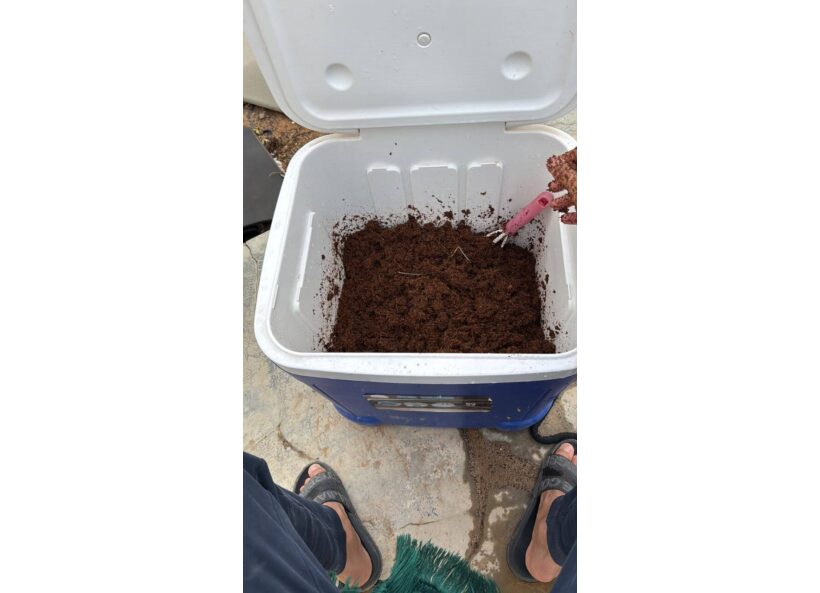
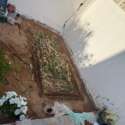
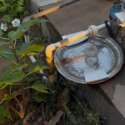
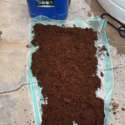
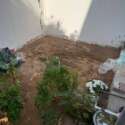
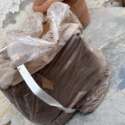
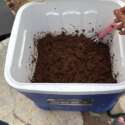
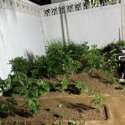
Because we live in a sandy area, we bought organic potting soil to help our plants grow better. We mixed it with organic cow dung manure compost, dried fallen leaves, fallen twigs, and food compost(made with fruits and vegetable scraps). We wanted to turn the sandy soil into a healthier home for our plants and the tiny organisms that help our garden grow.
This was important step because healthy ecosystem begins underground
Discovery: Nothing goes to waste in the nature.
With time the soil became soft and dark
Designing
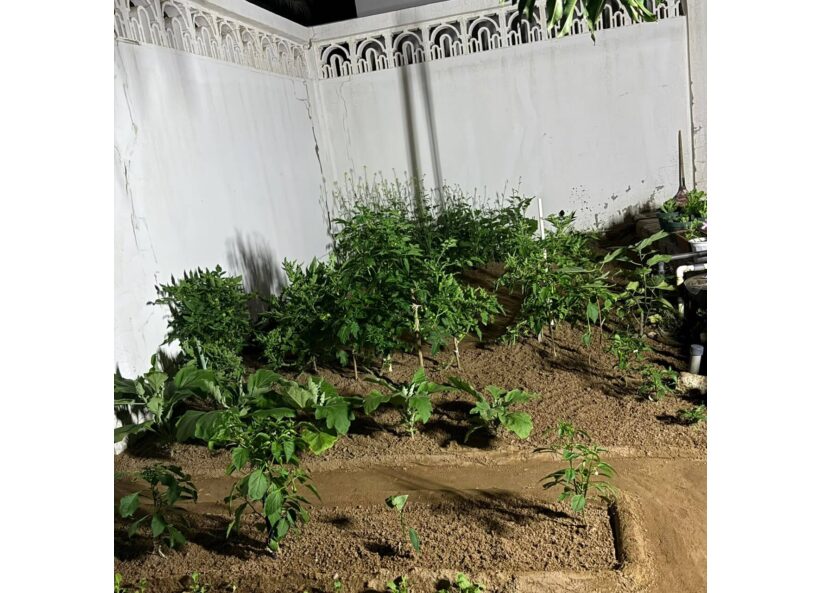
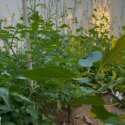
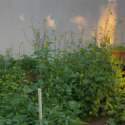
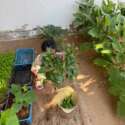
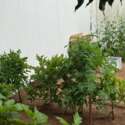
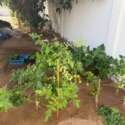
Once our soil beds were ready, we carefully selected plants that would provide nectar, pollen, shelter, and food for pollinators while also producing fruits and vegetables for our family.
Our aim was to create a garden where something was always blooming, ensuring that pollinators could find food during different seasons.
Our Plant Selection
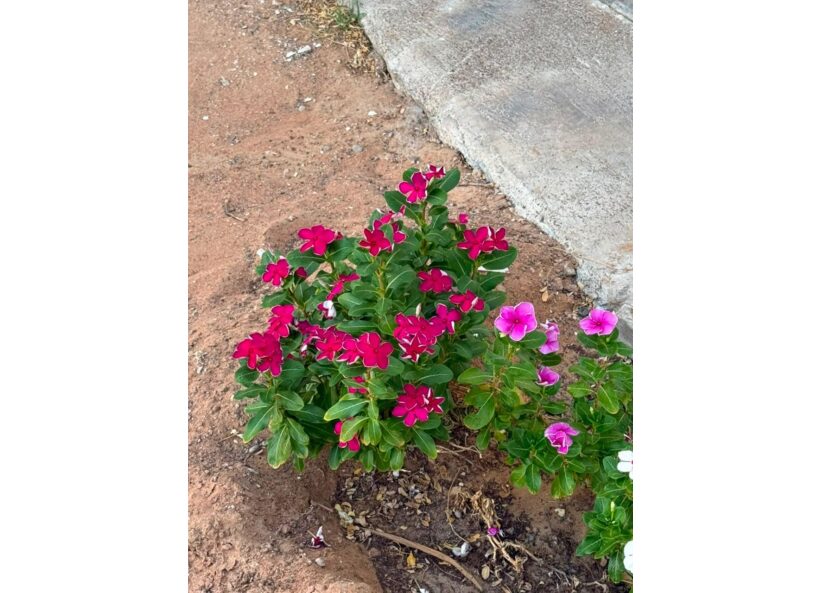
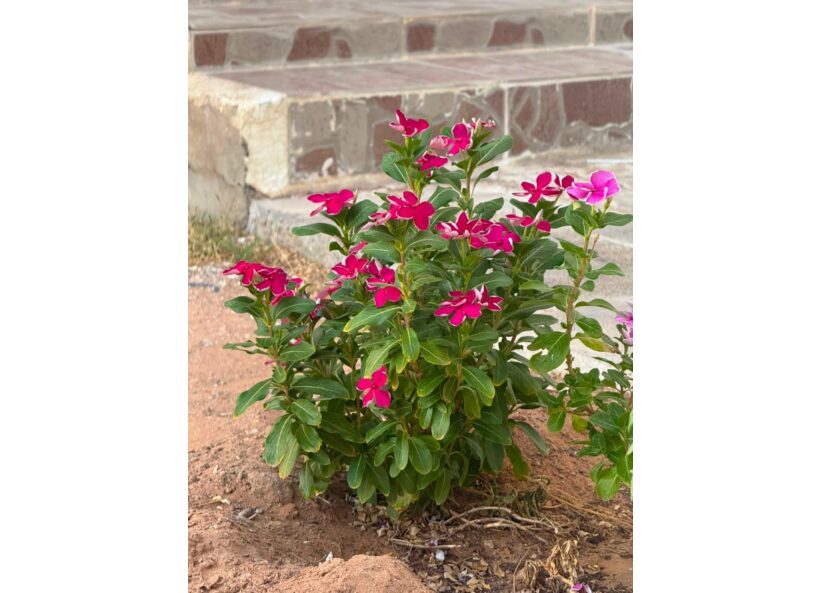
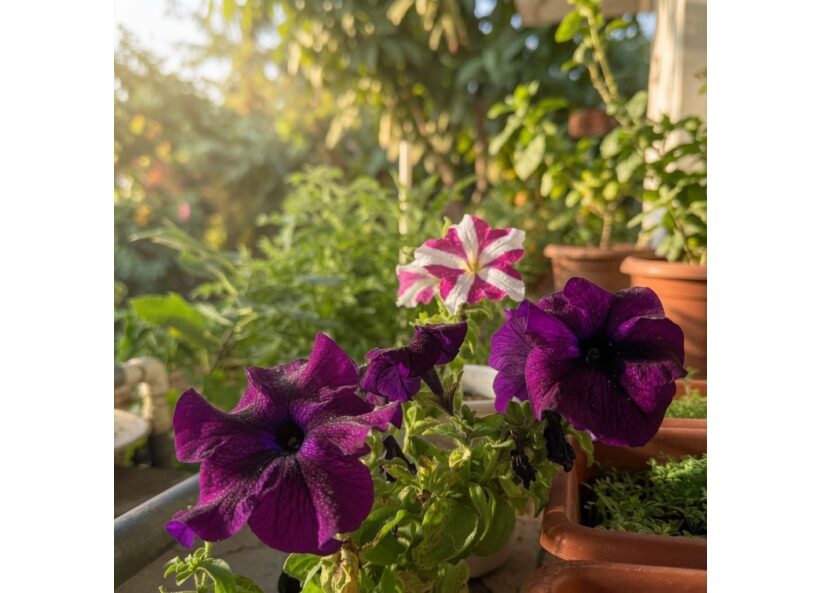
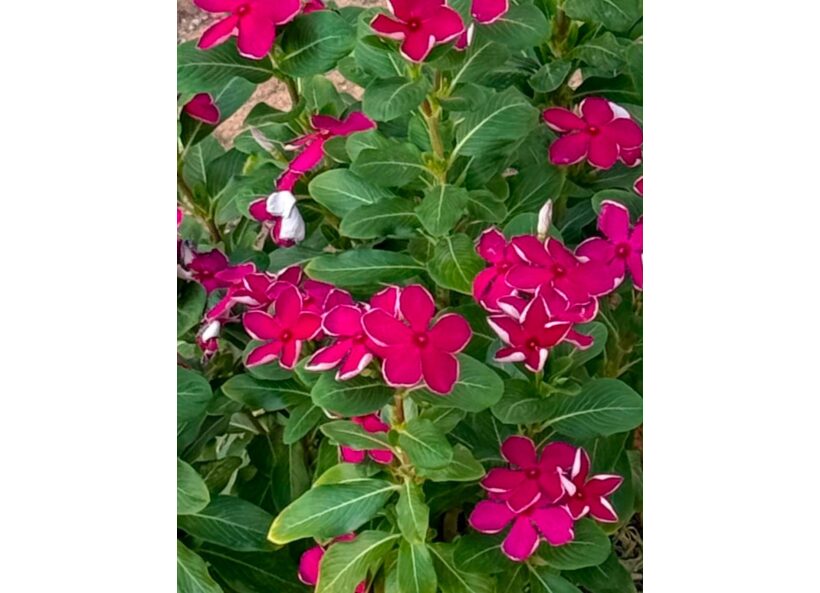
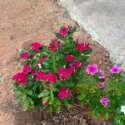
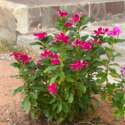
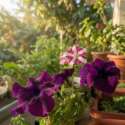
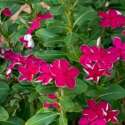
Vinca Titan (Catharanthus roseus)
Why we chose it
Vinca Titan is one of the most reliable flowering plants for the UAE climate. It tolerates high temperatures and continues blooming during much of the warmer months
Madagascar Periwinkle (Catharanthus roseus)
This hardy flowering plant produces abundant blooms over a long period and performs well in hot climates. Continuous flowers help bridge gaps between seasonal blooms, reducing periods when pollinators struggle to find food.
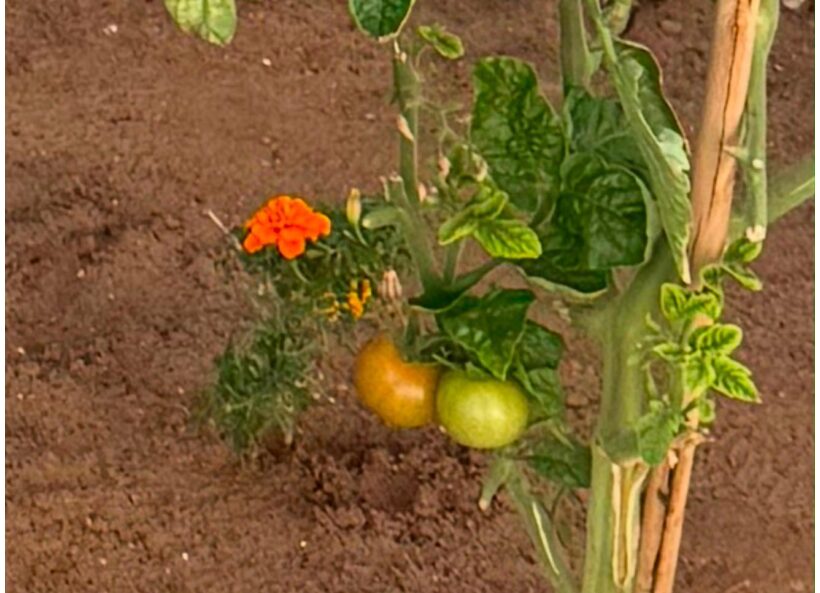
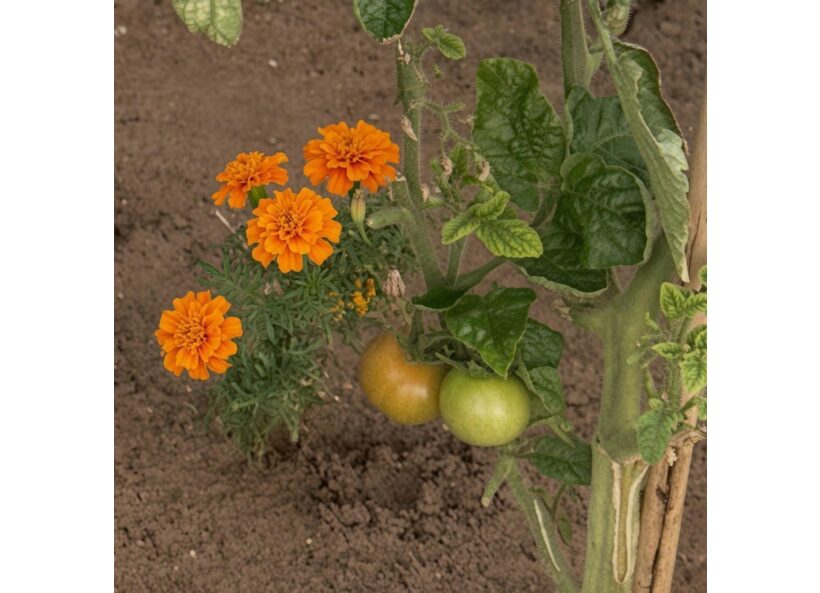
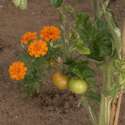
Marigold (Tagetes species)
Marigolds were planted because they support both pollinators and the vegetable garden.
Typical flowering period: Autumn through spring, with flowering extending longer under favorable conditions. Marigolds are widely used as companion plants. Their flowers attract beneficial insects, while their roots are known to help suppress certain soil pests. They also add bright color that makes flowers easier for pollinators to locate.
Candy Stripe (Dianthus)
Candy Stripe flowers provide nectar during the cooler months.
Typical flowering period: Winter and spring.
Provides early-season nectar when fewer flowers are available.
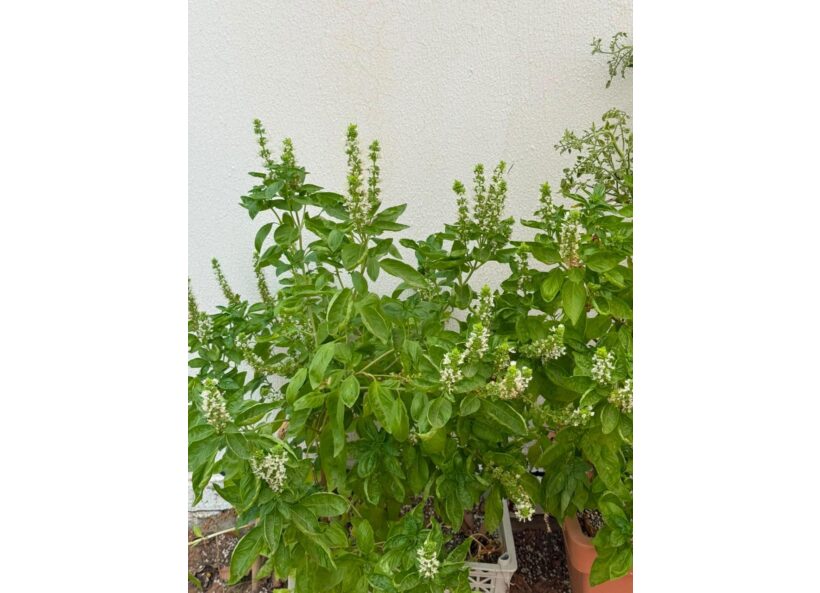
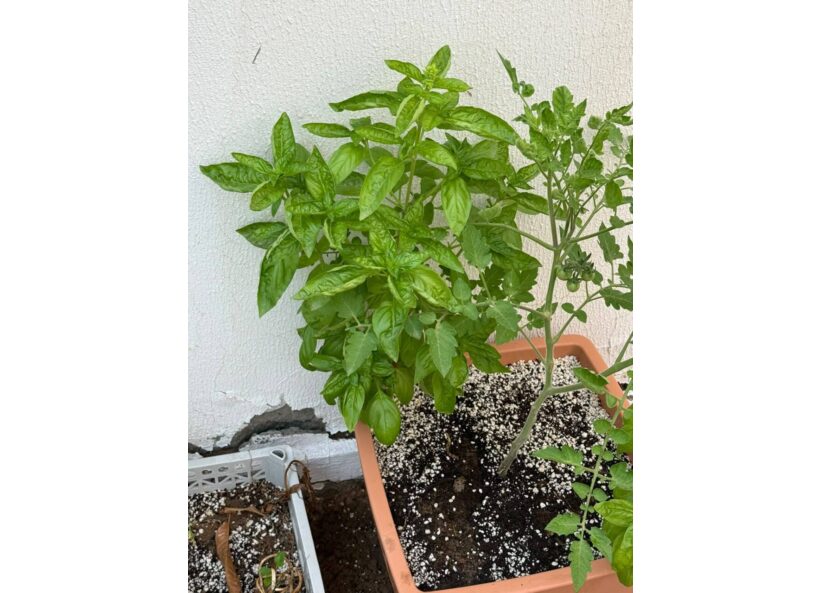
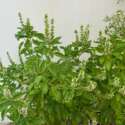
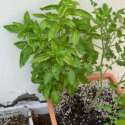
Flowering Basil (Ocimum basilicum)
Many people harvest basil before it flowers, but we intentionally allowed some plants to bloom.
Why? The flowers became one of the busiest feeding stations in the garden.
Flowering period: Spring through autumn.
Basil flowers produce abundant nectar and help attract pollinators into the vegetable garden.
Holy Basil
Holy basil grows well in warm weather and can flower for several months when it receives enough sunlight and water.
provide nectar and pollen for longer periods
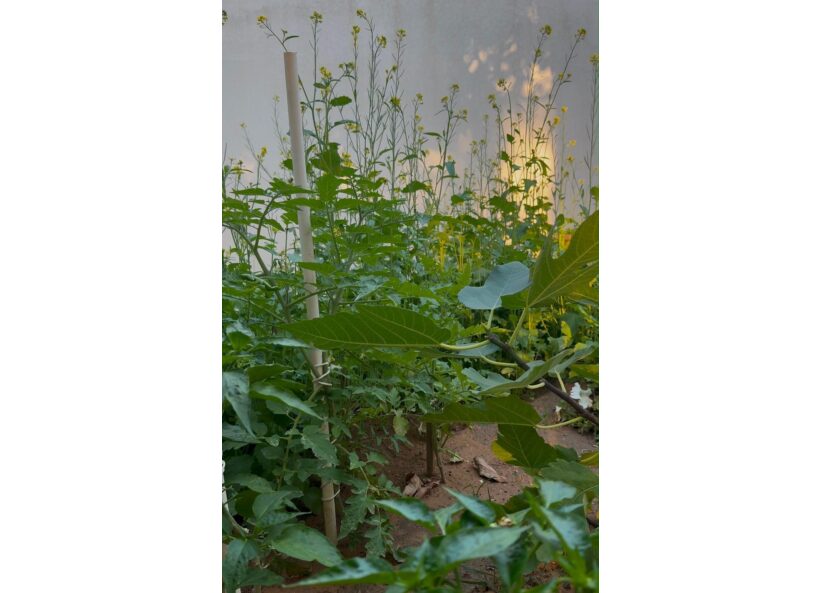
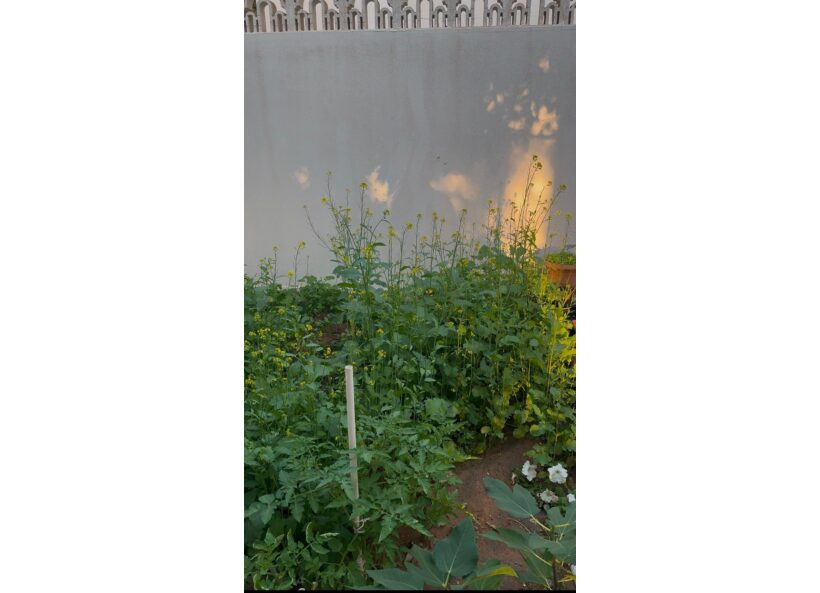
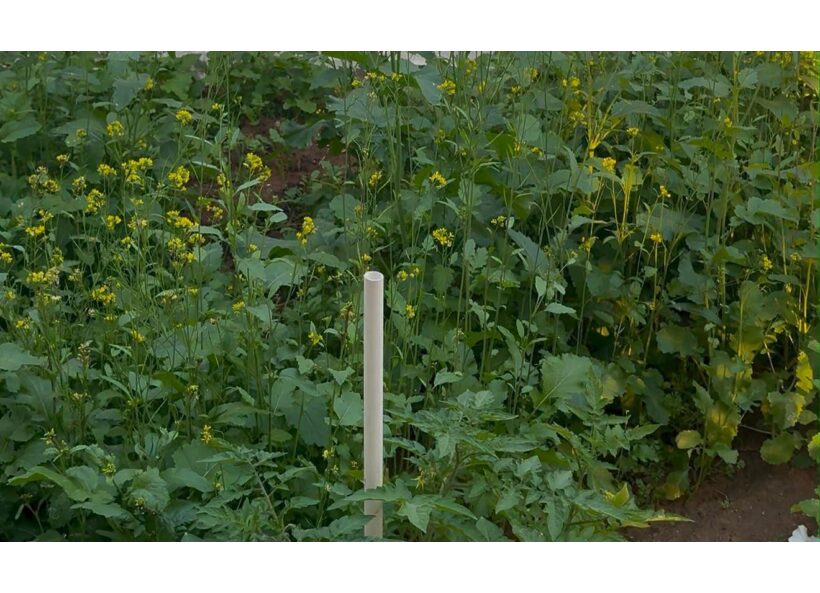
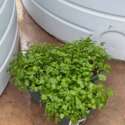
Mustard (Brassica species)
Mustard flowers appear early in the growing season.
Flowering period: Winter
Mustard provides pollen and nectar when many other plants are still developing.
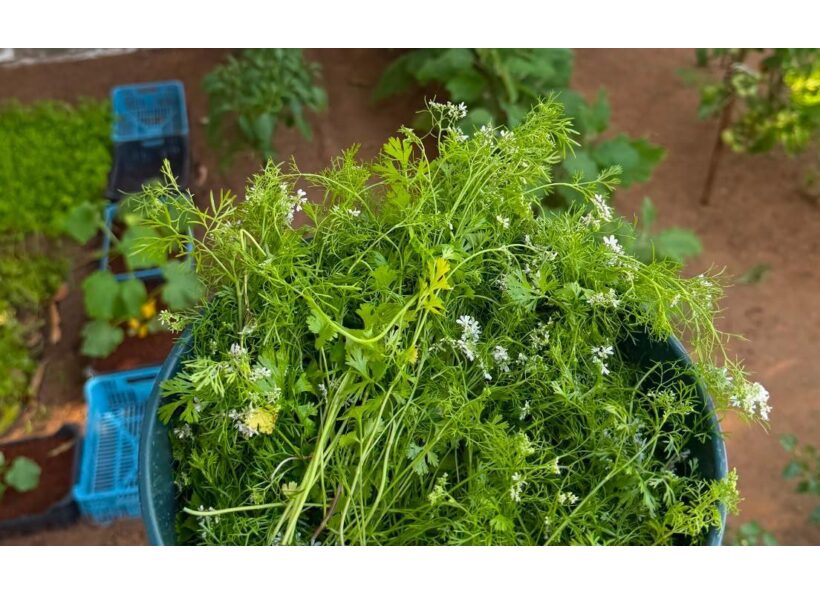
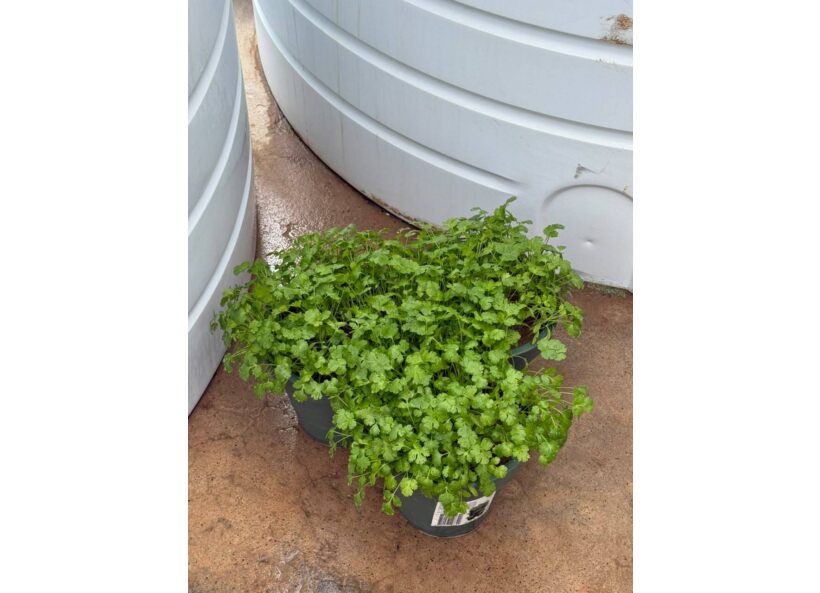
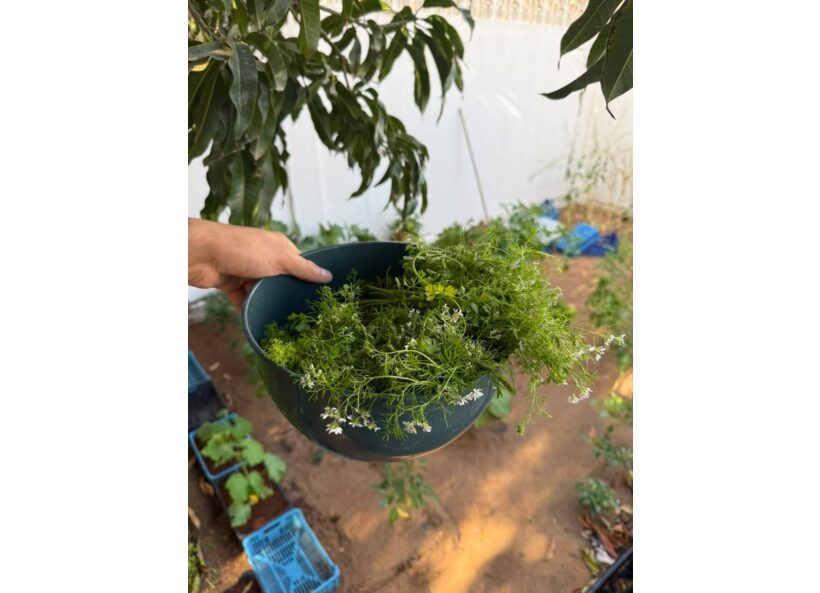
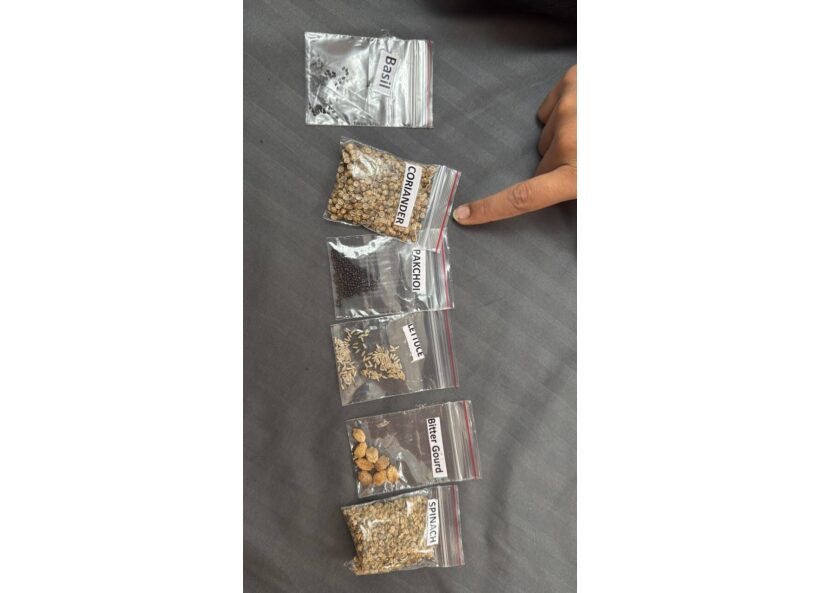
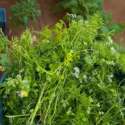
Flowering Coriander (Coriandrum sativum)
Instead of harvesting every coriander plant, we allowed some to flower.
Flowering period: Late winter and spring.
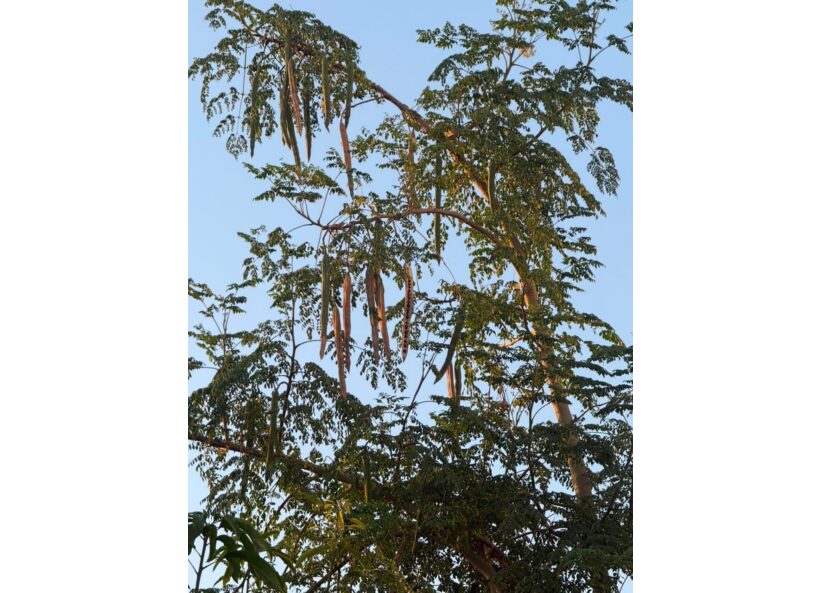
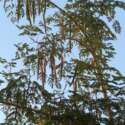
Moringa (Moringa oleifera)(1 Old tree /2 new plants)
Moringa is a drought-tolerant tree well suited to the UAE climate.
Flowering period: warmer months.
Provides flowers over an extended period while also producing nutritious leaves and seed pods.
Mango Tree (Mangifera indica)(Very Old tree part of backyard)
Our mango tree became an important seasonal food source for pollinators.
Flowering period: Late winter to early spring. The thousands of tiny flowers on a mango tree attract a wide variety of pollinating insects, increasing the likelihood of successful fruit development.
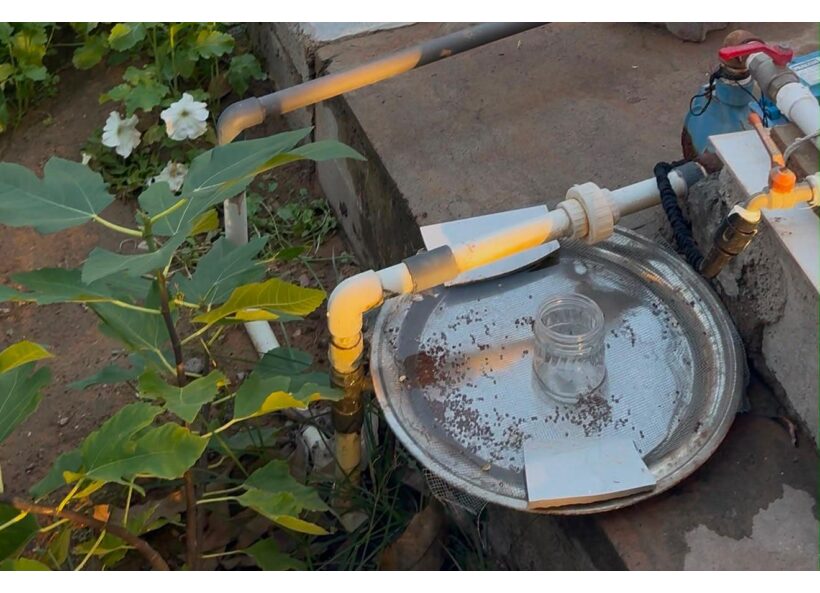
Fig Plant (Ficus carica)
The fig plant adds diversity to the garden ecosystem. Its leaves provide shade and habitat for many small organisms. While edible figs have a unique pollination relationship with specialized fig wasps in wild systems, the plant also contributes structural diversity to the garden and supports local wildlife.
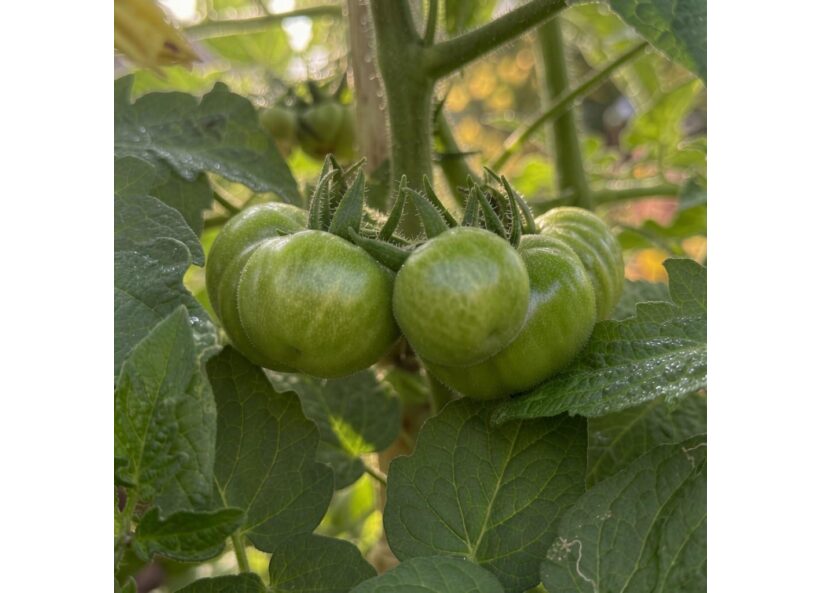
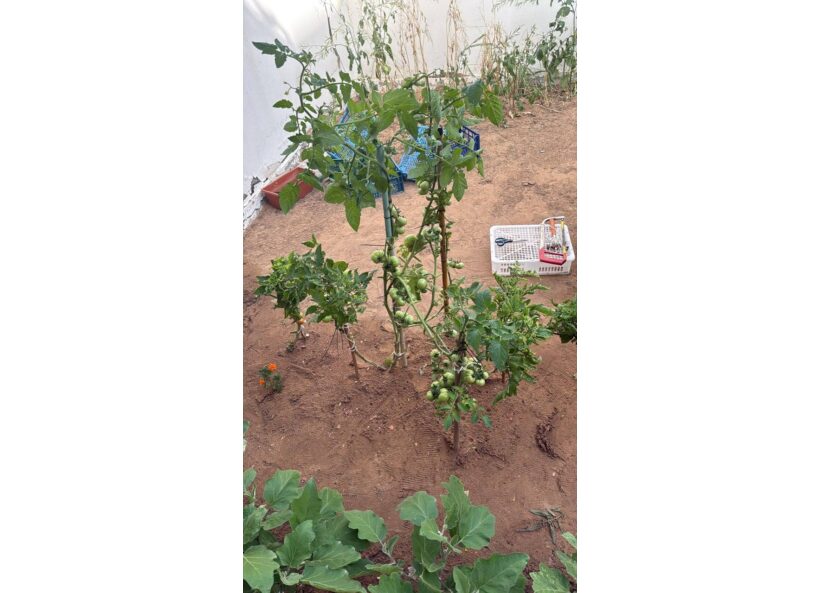
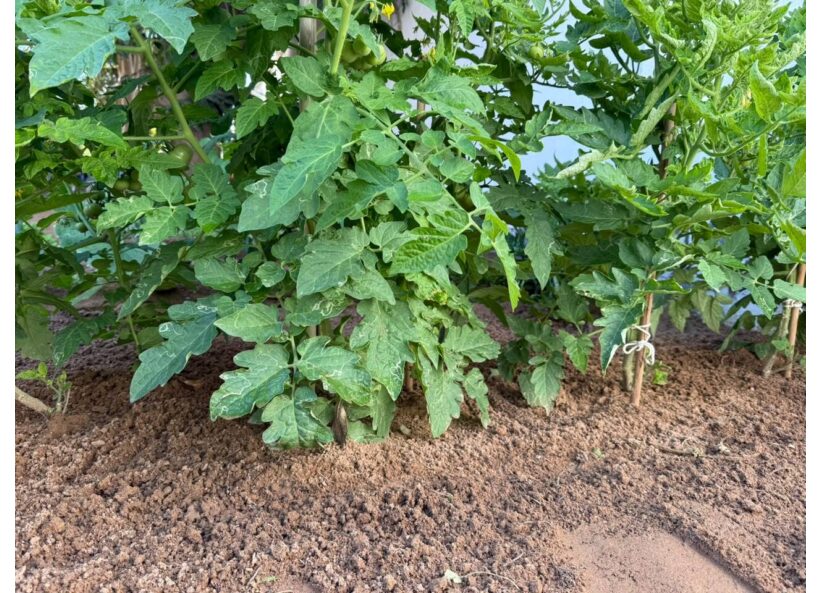
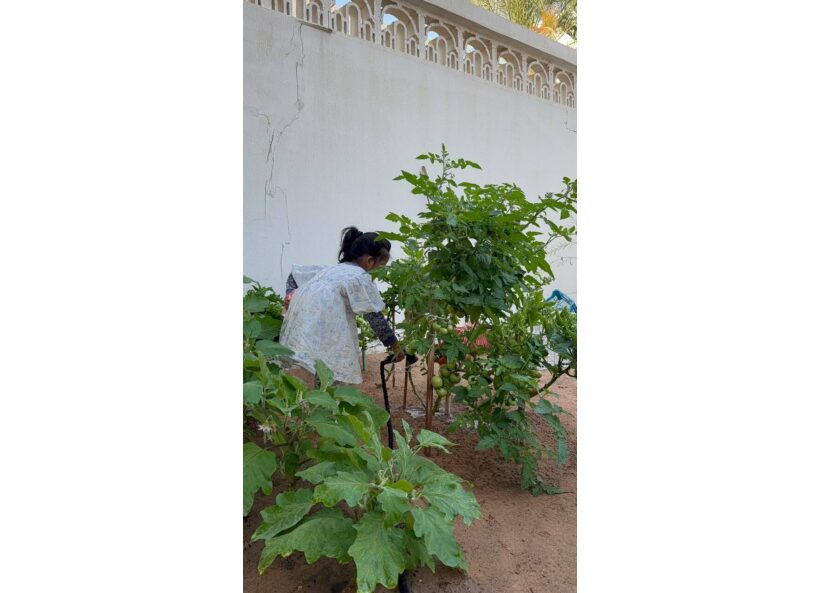
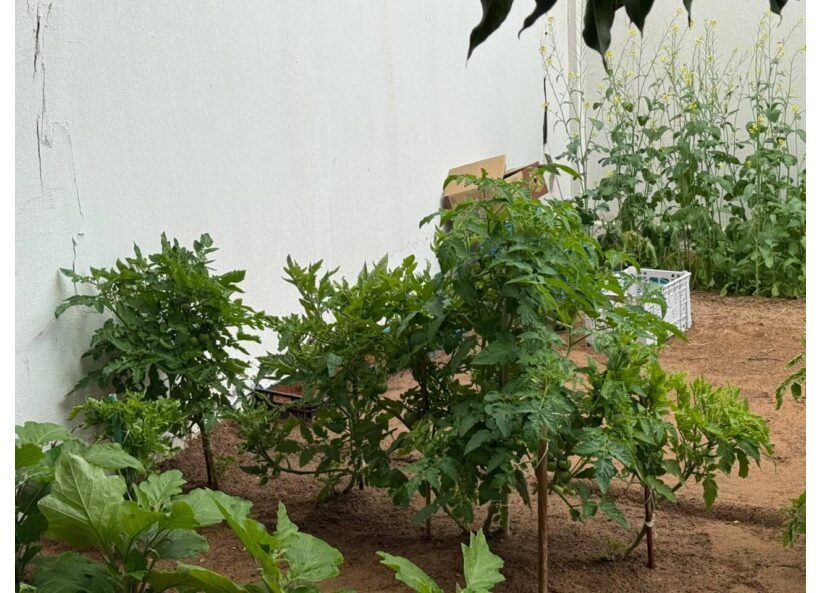
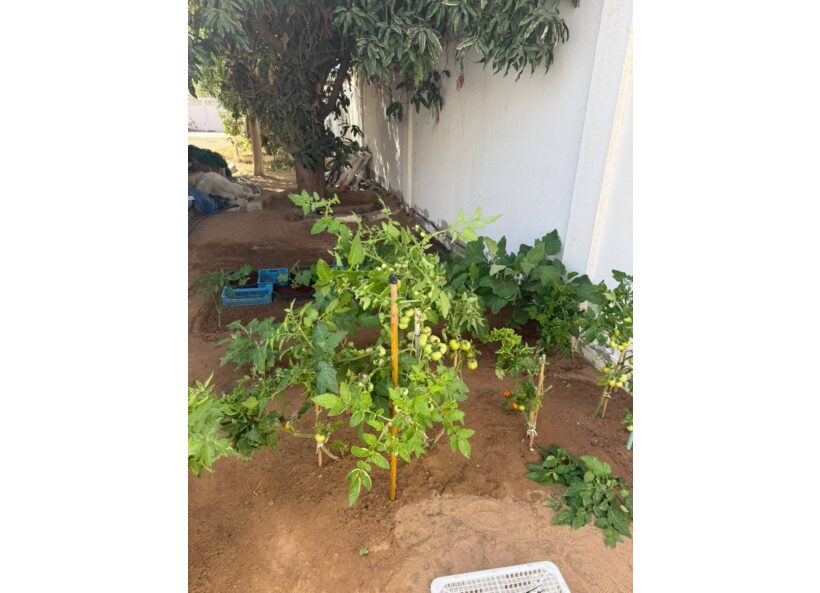
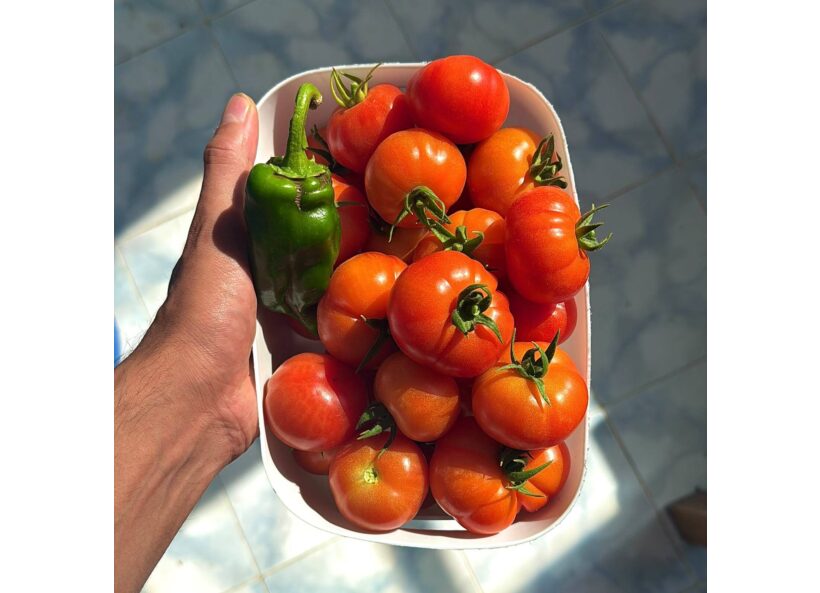
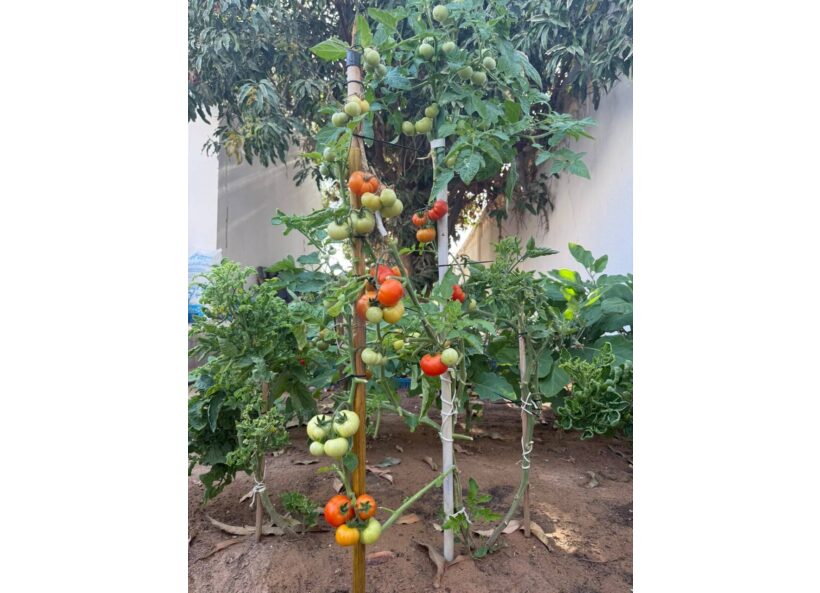
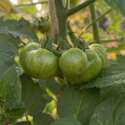
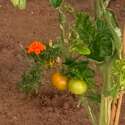
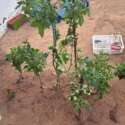
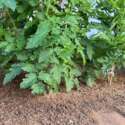
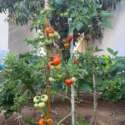
Tomato (Solanum lycopersicum)
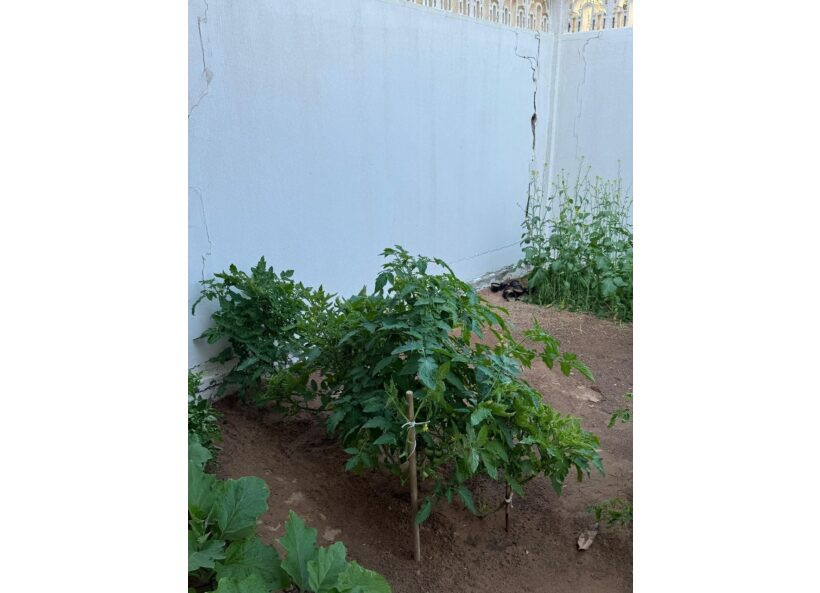
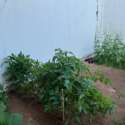
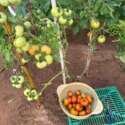
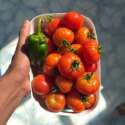
Tomatoes are capable of self-pollination, but bee visits can improve pollination and fruit development.
Flowers appear: Spring and autumn.
Bee activity can improve pollen transfer within tomato flowers, often leading to better fruit set and more uniform fruits.
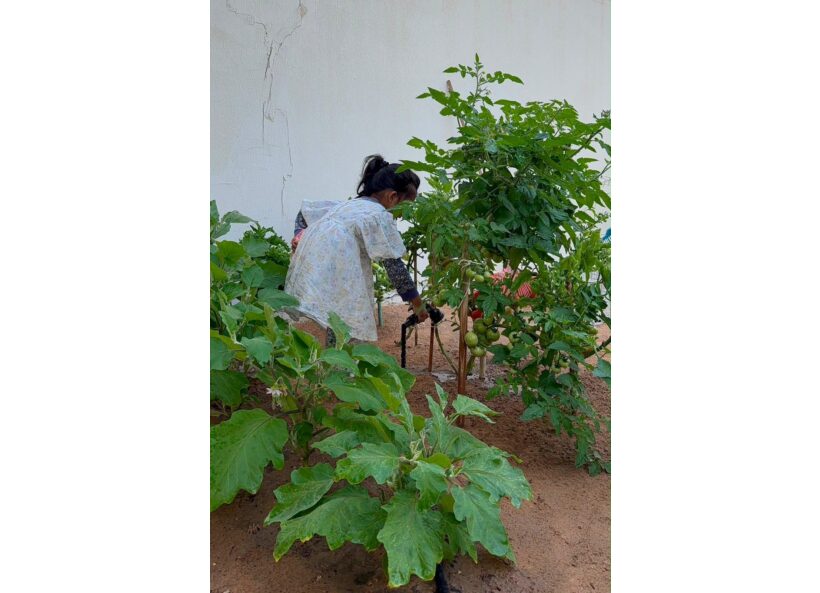
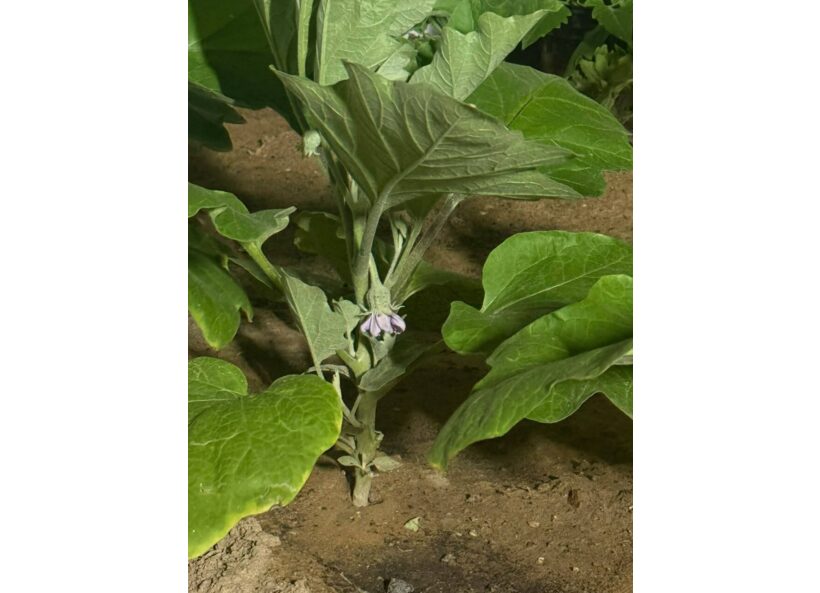
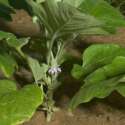
Eggplant (Solanum melongena)
Eggplant flowers are especially attractive to bees capable of buzz pollination.
Flowering period: Spring through autumn.
Buzz pollination helps release pollen from the flower, supporting successful fruit production.
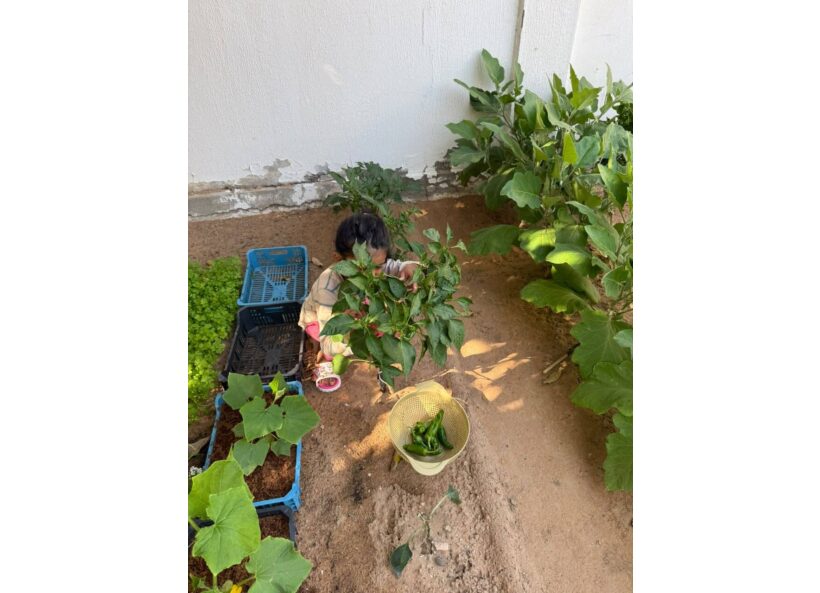
Chilli Pepper
Chilli flowers produce nectar that attracts many bee species.
Flowering period: Spring through autumn. Pollinator visits can improve fruit set and seed production.
Our Visitors(Spotted Species)
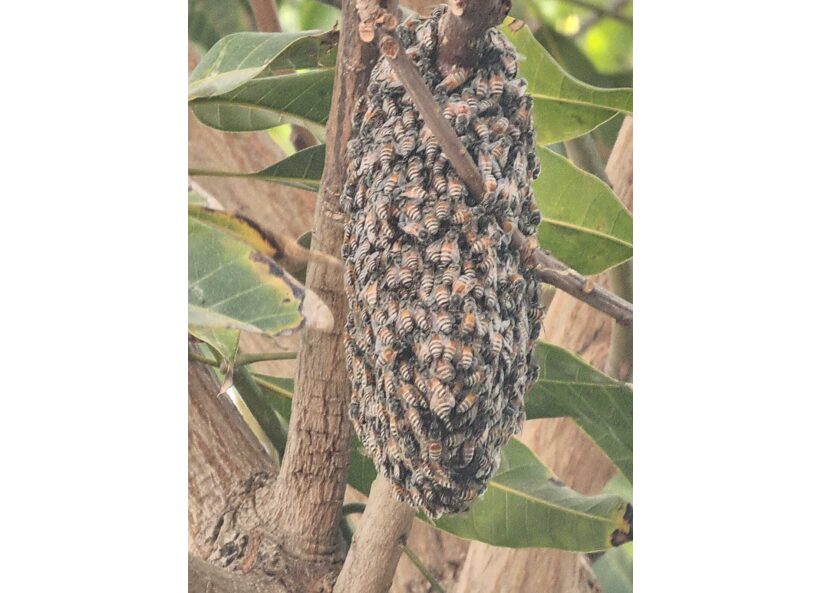
Honeybees
One of the most exciting moments of our project was seeing honeybees visiting our flowers.
At the beginning of our journey, Muhammad had asked why we never seemed to see bees around our home. Watching honeybees move from flower to flower showed us that our garden was becoming a valuable food source. As honeybees collected nectar and pollen, they also carried pollen between flowers, helping many plants produce fruits and seeds. Each visit demonstrated how closely pollinators and plants depend on one another.
- Arabian dwarf honey bee
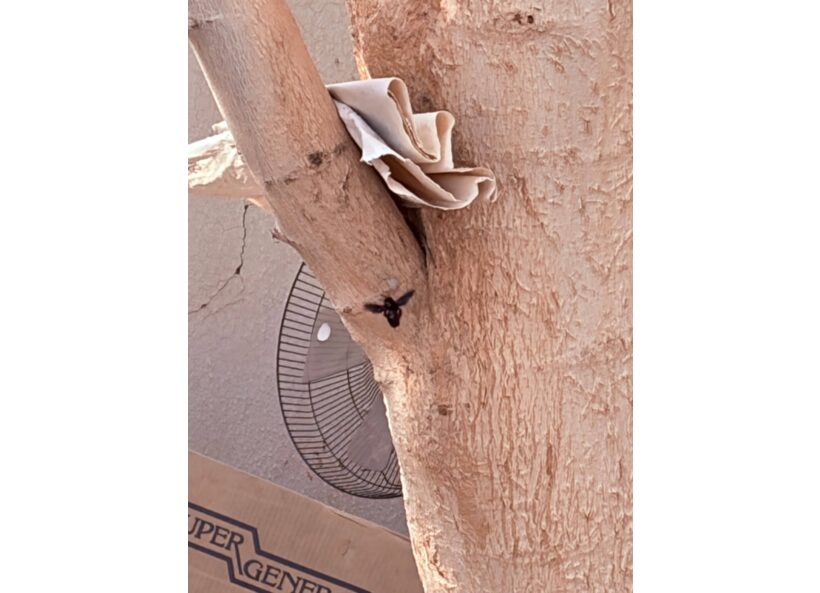
- Carpenter bees — Xylocopa spp.
- Leafcutter bees — Megachile spp.
- Butterflies(Lime Butterfly)
- Hoverflies
- Purple sunbird
- Wasps
- Moths
- Beetles
- Spider
Pollinators and Our Vegetable Garden
One of the most rewarding outcomes of our project was observing pollinators moving freely between flowering plants and vegetables.
Tomatoes
Tomato flowers are capable of self-pollination because each flower contains both male and female parts. However, tomato flowers release pollen more effectively when they are vibrated. Native bees and carpenter bees naturally create these vibrations while collecting pollen, a behavior known as buzz pollination. Although tomatoes can produce fruit without insect visits, pollinators often improve the efficiency of pollination.
Eggplants
Eggplants also benefit from buzz pollination. Bee visits help release pollen trapped inside the flower. As a result, pollination can become more effective, supporting healthy fruit development. Watching bees visit eggplant flowers helped us understand that even crops capable of self-pollination can benefit from healthy pollinator populations.
Chilli Peppers
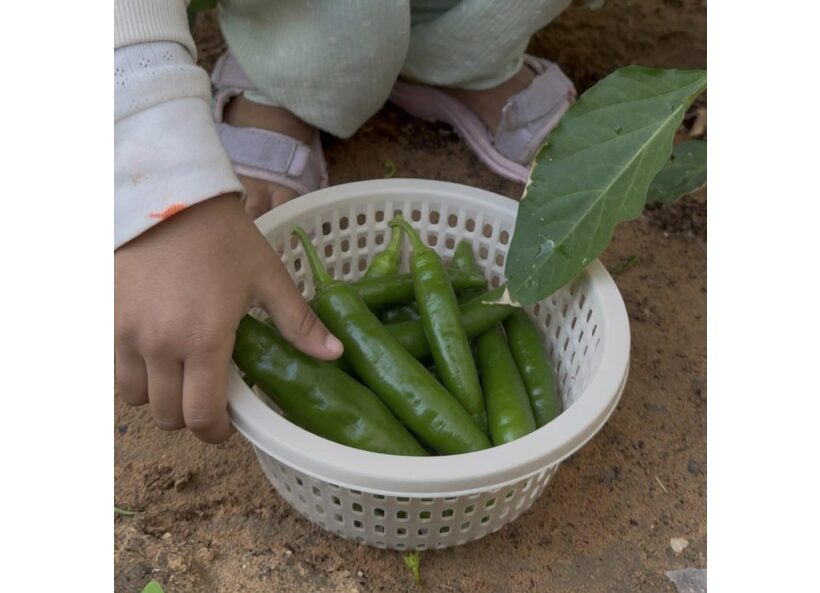
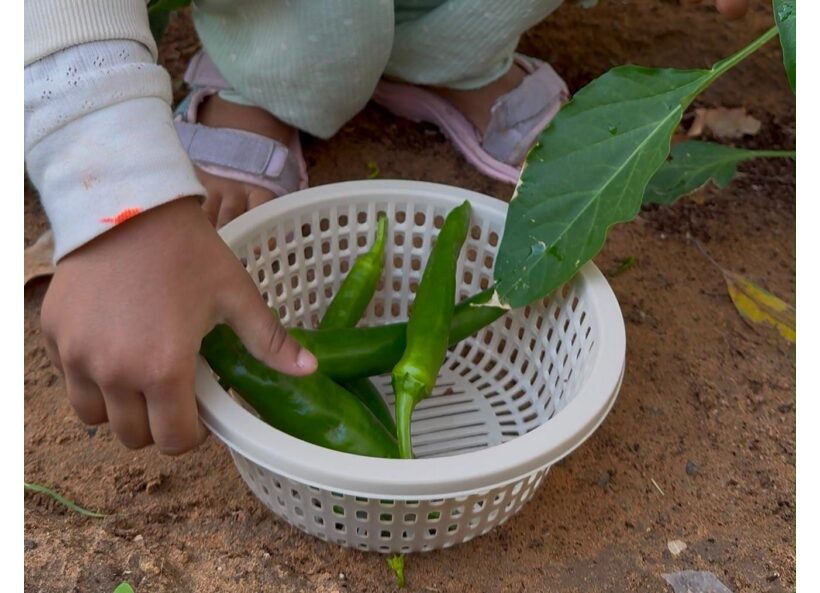
Chilli flowers produce nectar that attracts bees and other insects. Pollinator visits may improve pollination and seed production, contributing to healthy fruit development.
Basil and Coriander
Many gardeners remove basil and coriander flowers to prolong leaf production. For our conservation mission, we allowed some plants to flower intentionally. This transformed ordinary kitchen herbs into valuable food sources for bees, hoverflies, butterflies, and beneficial wasps. These flowering herbs became some of the busiest areas of the garden, attracting pollinators that later moved throughout the vegetable beds.
Mustard
Mustard flowers provided one of the earliest nectar sources in the cooler season. Their bright yellow flowers attracted bees and hoverflies when relatively few other plants were flowering. This helped maintain pollinator activity during seasonal changes.
Mango, Fig and Moringa
Although our project focused on pollinator conservation, fruit trees also benefited from increased insect activity. The many small flowers on the mango tree attracted a wide variety of insects, increasing opportunities for pollination and fruit development. The fig plant contributed structural diversity and habitat within the garden ecosystem, adding to the overall richness of the landscape.
Moringa was beneficial all year round and large trees was home to many insects and microorganisms
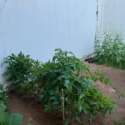
Results : Increased Quality, Increased Yield, Better size.
Throughout the project, we observed:
- More pollinator visits after flowering plants became established.
Pollinators moving between ornamental flowers, herbs, vegetables, and fruit trees.
Healthy flowering across different areas of the garden.
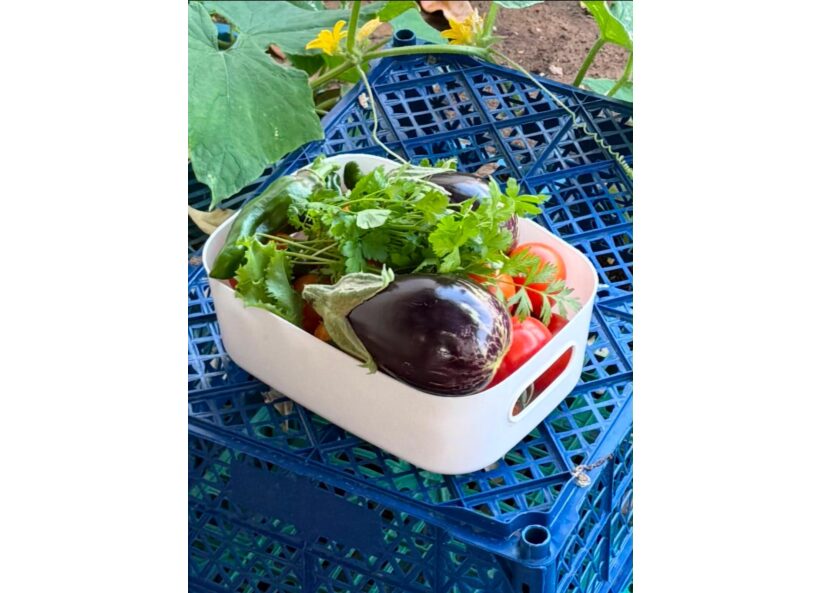
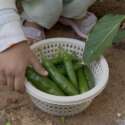
Vegetable harvests supported by a thriving, biodiverse garden.
A greater variety of beneficial insects than we had noticed before starting the project.
These observations strengthened our belief that creating habitat for pollinators also benefits food production.
What Changed?
Our observations suggested several important changes:
- Increased Pollinator Activity
- More pollinators were observed visiting the garden after flowering habitats became established.
- Greater Diversity
- We observed multiple groups of beneficial insects rather than relying on a single pollinator species.
- More Flowering Resources
- Instead of having flowers available only during one season, our plant selection created flowering opportunities across different periods.
- Natural Pest Management: Beneficial insects such as , hoverflies, and wasps became part of the garden's natural pest-control system.
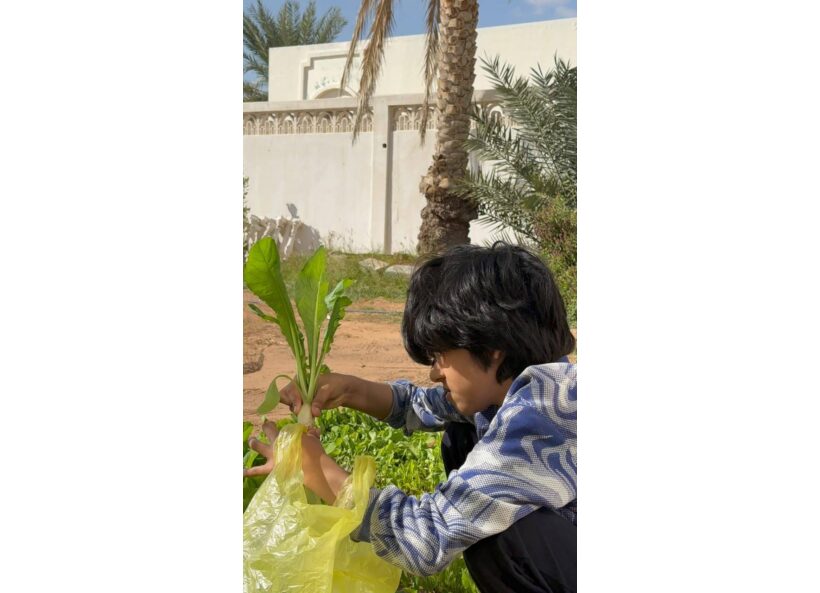
- Food Production: Our vegetable garden produced harvests while existing within the same ecosystem as the pollinator habitat.
1. IMPACT ON ANIMALS
Creating Food and Habitat
Our first objective was to create a place where pollinators could find the resources they need.
The garden provided:
- Nectar
Pollen
Flowering plants
Plant cover
Shelter
Water opportunities
A pesticide-reduced environment
As flowering increased, we observed increased pollinator activity. The garden became a feeding area for bees, butterflies, hoverflies, and other beneficial insects. Supporting Native Pollinators. A healthy ecosystem should not depend on one species. By providing a variety of flowers, we created opportunities for different insects to find food.
Supporting Beneficial Predators
Not every important insect in our garden was a pollinator. Some were pest controllers.
Hoverflies, and beneficial wasps helped create a natural defense system around our vegetables. This showed us that biodiversity provides services that would otherwise require human intervention. Instead of eliminating insects, we learned to identify which insects were helping our garden.
2. IMPACT ON THE ENVIRONMENT
Increasing Biodiversity
Flowering plants, Herbs, Vegetable plants, Trees, Bees, Butterflies, Hoverflies, Ants, Spiders, Beetles, Predatory wasps, Soil microorganisms, Decomposers, Soil.
Creating a Chemical-Free Habitat
We deliberately avoided synthetic pesticides. When pest management was necessary, we tested neem oil carefully rather than routinely spraying chemicals. We made plain water spray. We also allowed beneficial predators to remain in the garden. This created a more balanced environment. Our investigation also revealed that pollinator gardens can attract insects that do not directly pollinate crops but are still extremely valuable.
We observed beneficial insects such as:
Hoverflies: Adult hoverflies visit flowers, while the larvae of many species consume aphids.
Wasps: These insects became part of our garden's natural pest-management system.
Returning Organic Matter to the Soil: Our soil preparation followed nature's own recycling system.
We used: Fallen leaves, Dry leaves, Small twigs, Organic material, Potting soil. Instead of treating fallen leaves as waste, we returned them to the soil. Waste in one part of an ecosystem can become a resource for another. Decomposers break down organic material and return nutrients to the soil, supporting new plant growth.
Supporting Water Conservation
Hot and dry climate creates challenges for gardening.
Our soil-building approach helped create a growing medium capable of holding moisture while allowing adequate drainage. Organic matter can improve soil structure and water-holding capacity. This helped us think about conservation beyond pollinators. We were also learning how to create habitats appropriate for our local environment rather than simply copying gardens designed for cooler climates.
3. IMPACT ON PEOPLE
Turning a Garden into a Classroom
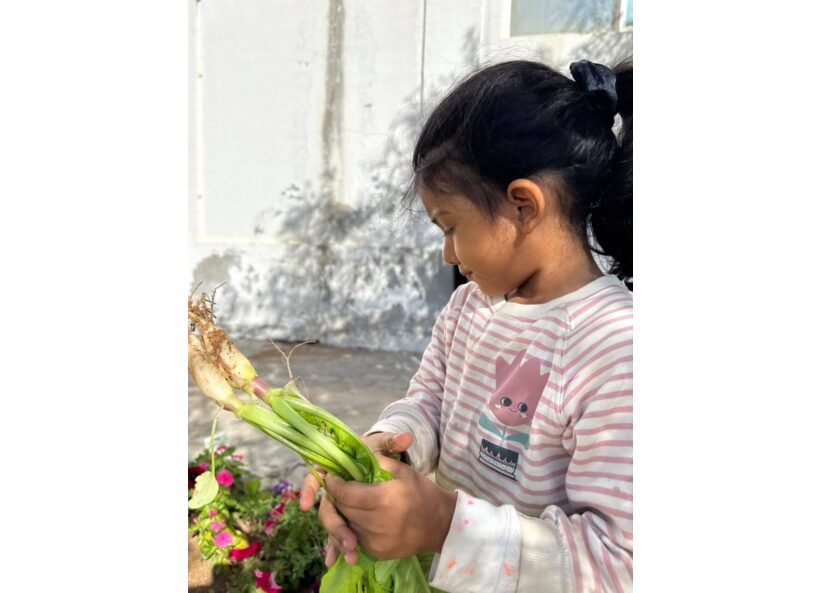
Our garden became a living classroom. Instead of learning about pollination only from books or screens, we could observe it happening directly. Improved Observational skills. Sharing of knowledge. Learning to record observations. Seeing direct tangible impact.
Sharing the Mission
The project also gave us an opportunity to involve other people in conservation.
Through community activities and conversations, we shared:
- Why pollinators matter.
How to identify beneficial insects.
Why pesticides can be harmful.
How flowers can support food production.
How families can create small pollinator habitats.
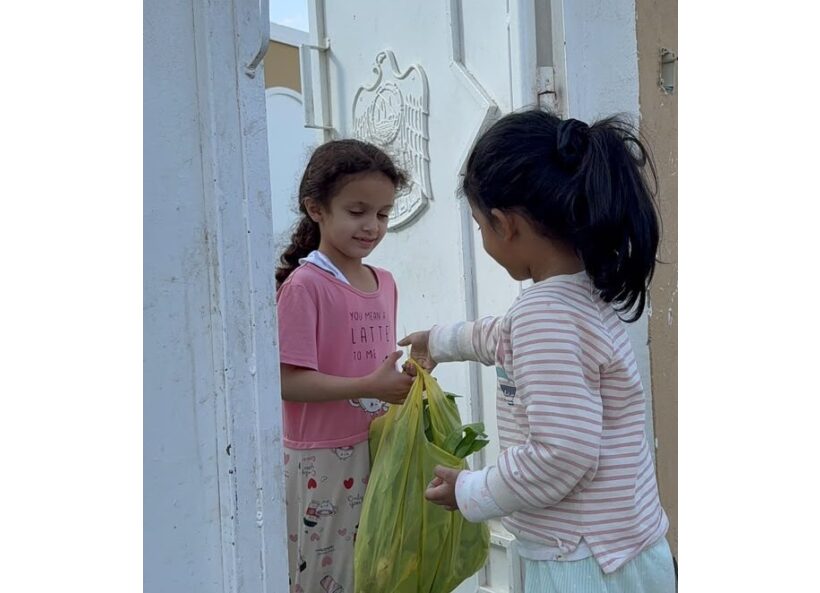
Why native biodiversity matters. Shared the yield with neighbors, community members and friends
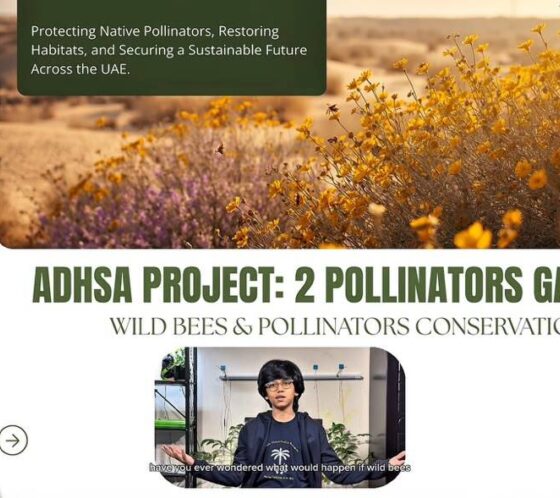
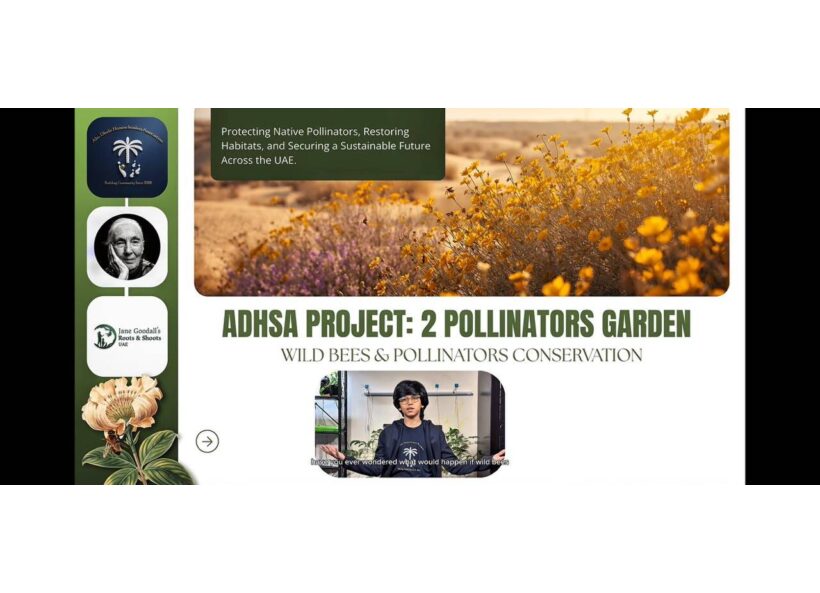
- Muhammad Adeel represented Abu Dhabi Homeschoolers Association : Wild Bees Conservation International Online Event hosted by our colleagues at Roots & Shoots Austria. Gave a detailed presentation of his pollinator garden.
- Encouraged and invited community members -4 Families have joined our project (One of them already has started working on their garden) . And helps us maintaining our garden.
Total Duration: 10months and on going .
Next phase :(Expansion of Pollinator Garden)
1. Continue Monitoring
2. Increase Native Plant Diversity
3. Create More Habitat: Introduce additional shelter and nesting opportunities where appropriate.
4. Expand Community Participation: Encourage other families to establish small pollinator habitats. And join us for expansion of this project .
5.Record summer data
6.Learn from mistakes and correct them in next phase.
7.Labeling each plant in the garden.
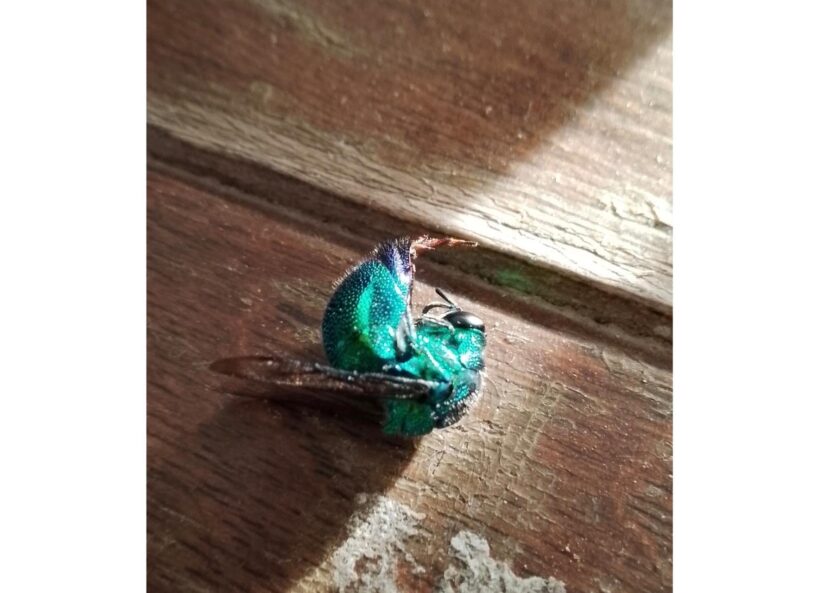
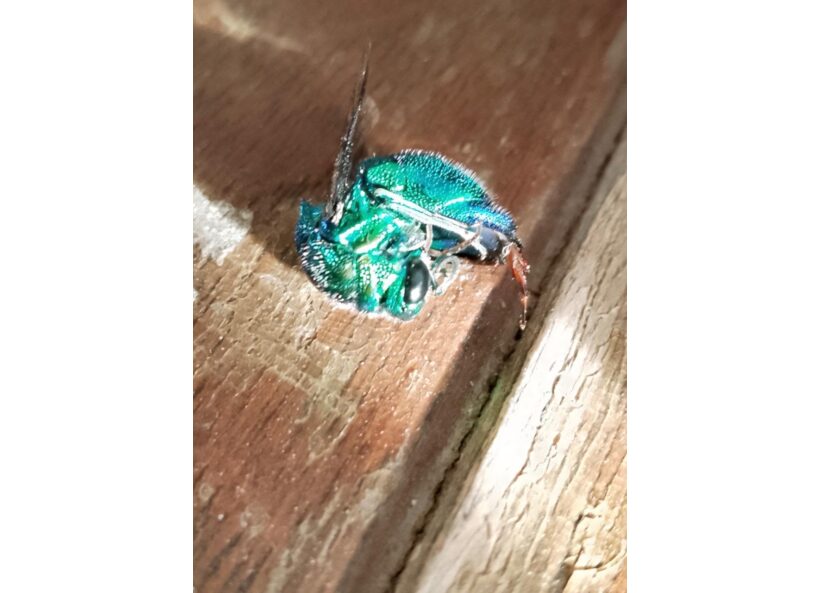
8.Found a carpenter bee dead- Kids investigating factors
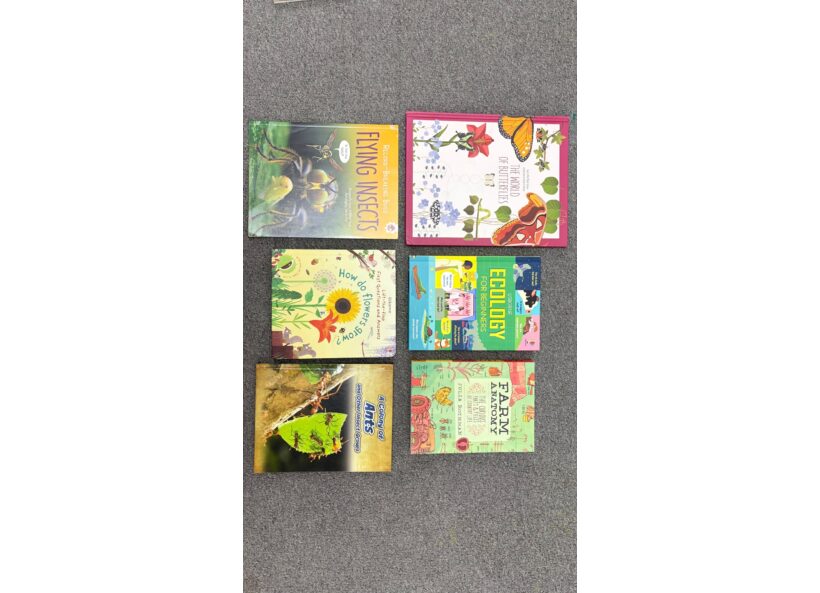
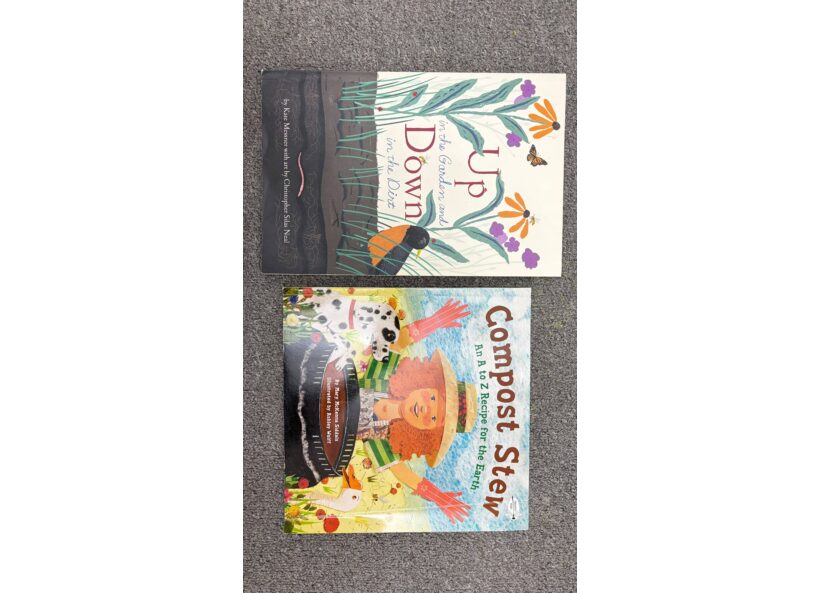
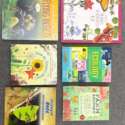
Books Used during the project
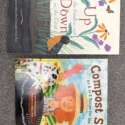
- Up in the Garden and down in the dirt (by Kate Messner)
- Compost Stew-An A-Z Recipe for Earth (By McKenna Siddals)
- The World Of Butterflies (by Rita Mabel)
- Ecology for beginners( Usborne)
- Farm Anatomy(Julia Rothman)
- Flying insects -bug recording
- How do flowers grow ?(Usborne)
- A colony of Ants and other insect groups
Muhammad Adeel: A small change in our backyard can create such a big impact. Finally, butterflies visited our home, along with Honeybees and many other pollinator friends! We will continue creating safe homes for our pollinator friends. This pollinator garden has brought me closer to nature and made me feel more responsible for protecting it. I feel more connected to nature than ever before.
(A special thanks to Manar -Who helps me the most ,She actively participated in planting, watering, cleaning, harvesting and she never allows anyone to pluck flowers because its the food for the bees.
Some other active community members are Muhyiuddeen, Fakhruddeen, Muhammad zuhair, Sultan, Dalal for being actively participating in maintain the pollinator garden and working on sharing Compost).
Please find attached pictures & Video: 7:58
Presentation-0:00-5:50mins
Pollinator Garden Video: from 5:50min-7:58mins