

Growing Sustainably: Hydroponics & Kratky Mission
As part of Roots & Shoots mission, we explored sustainable ways of growing food through both Hydroponics and the Kratky method.
Duration: 5 months and On going
Understanding Hydroponics
Hydroponics is a method of growing plants without soil. Instead, the plants receive water mixed with the nutrients they need to grow.
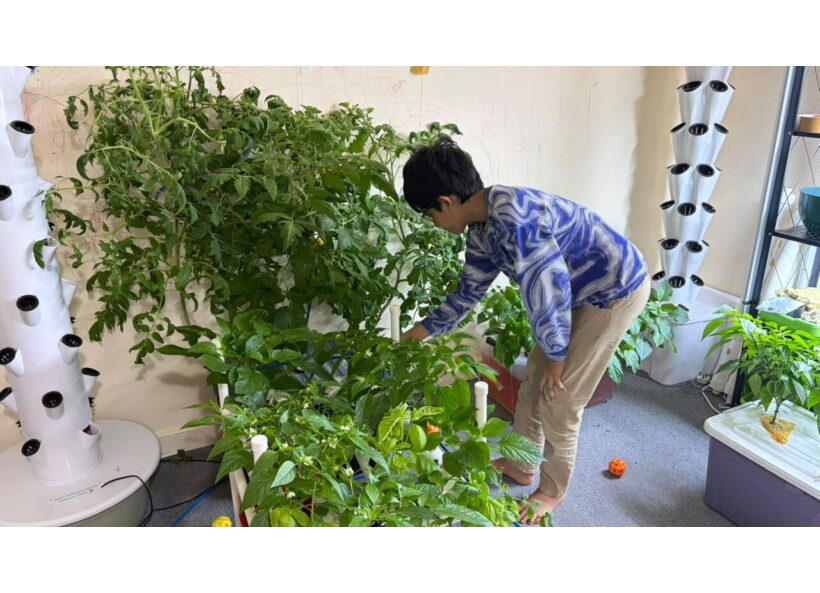
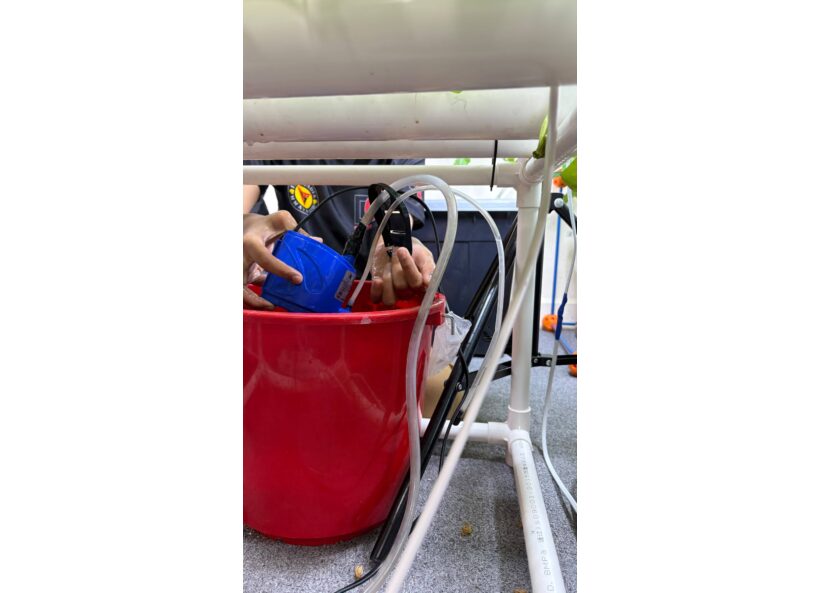
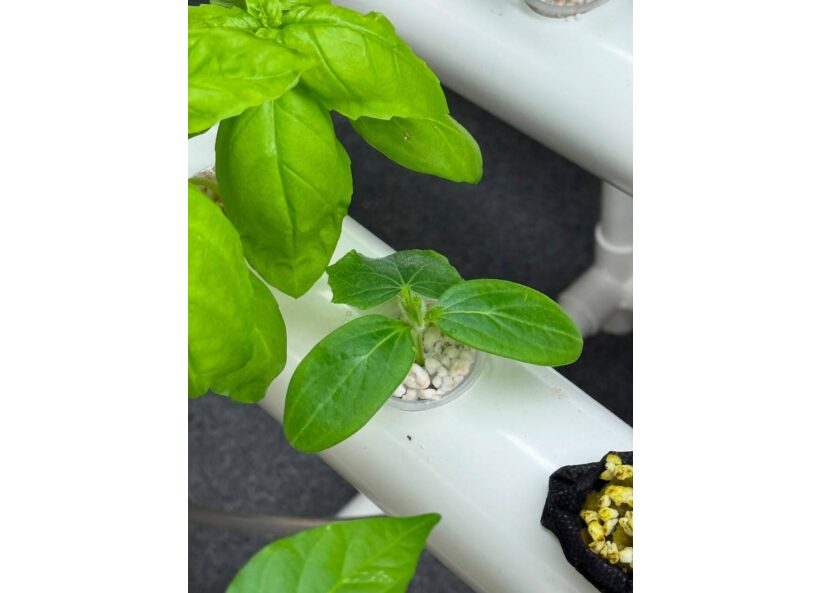
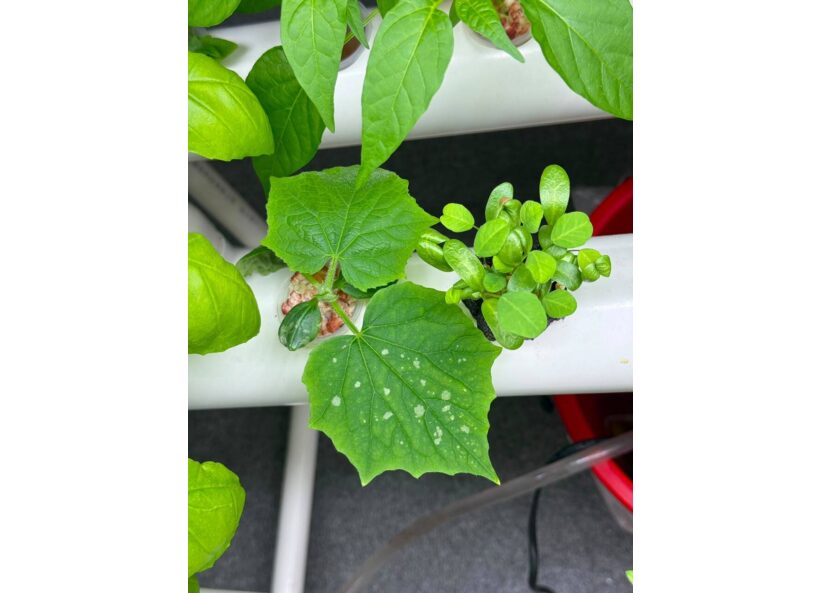
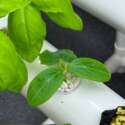
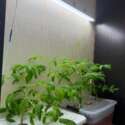
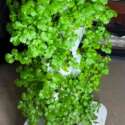
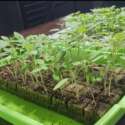
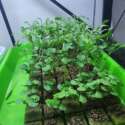
In our hydroponic system, the roots were supplied with a nutrient-rich water solution. A pump helped circulate the water through the system.
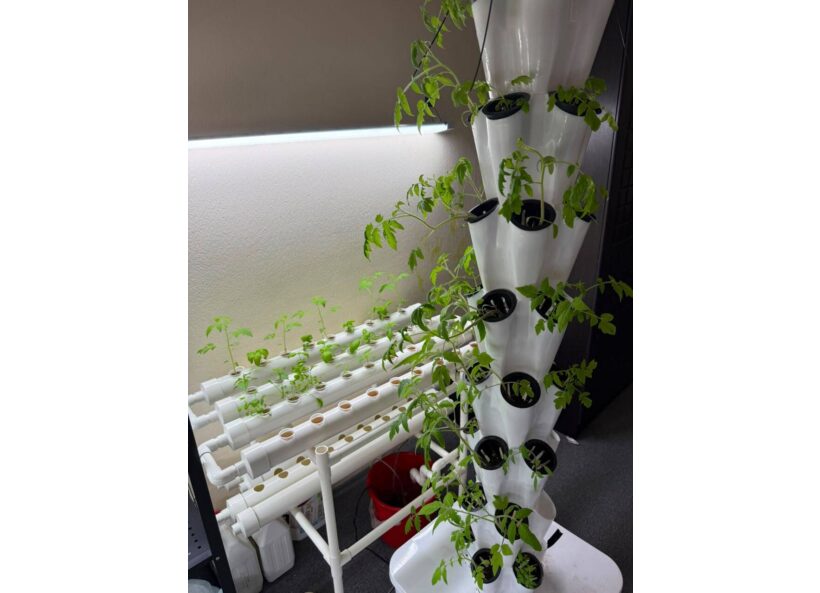
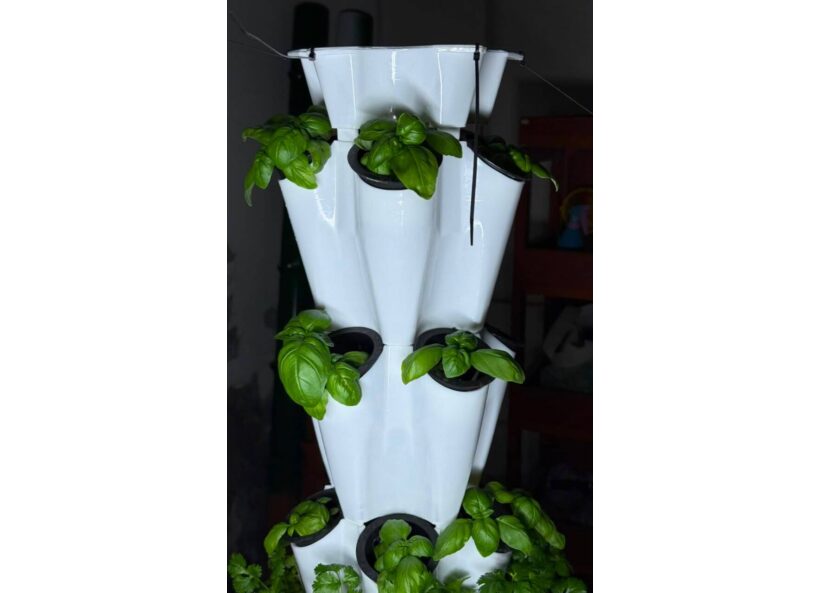
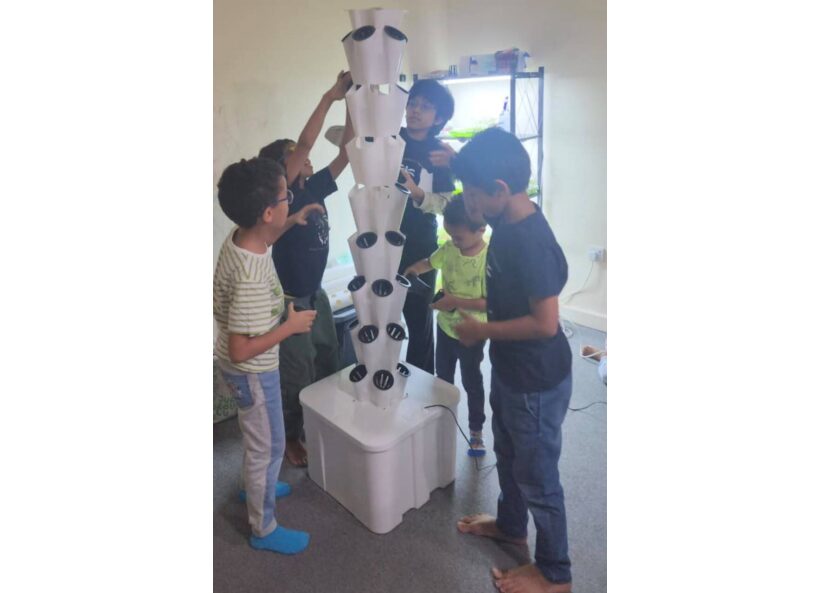
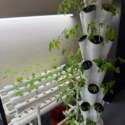
We explored both horizontal and vertical hydroponic systems, helping us understand how plants can be grown in different spaces and arrangements.
For the plants to grow successfully, we had to consider several important factors, including:
- Water
- Nutrient solution
- pH
- Light
- Air and oxygen
- Temperature
- Regular maintenance
The project helped us understand that hydroponics is not simply about putting a plant in water. All these factors work together to create the right environment for plant growth.
Understanding the Kratky Method
The Kratky method is another way of growing plants without soil, but it works differently from our pumped hydroponic system.
It is a more passive system and does not require continuous water circulation.
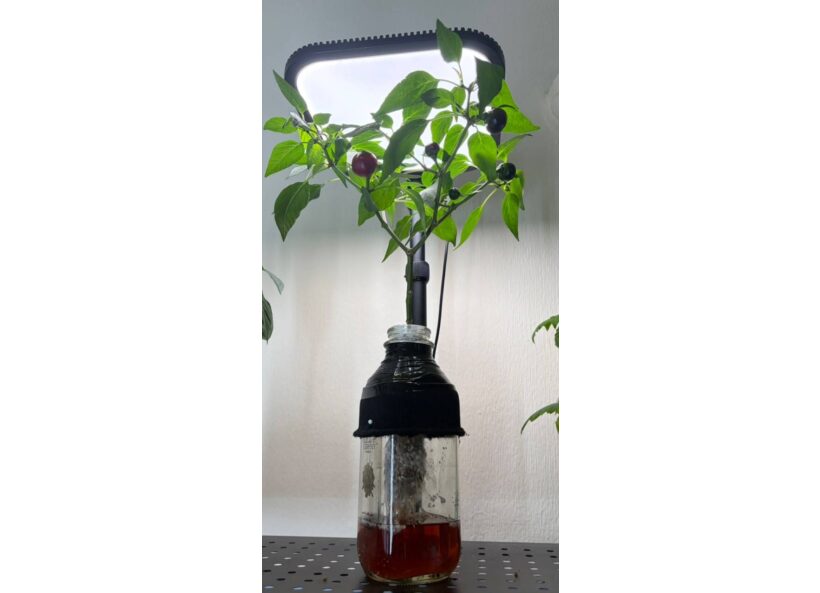
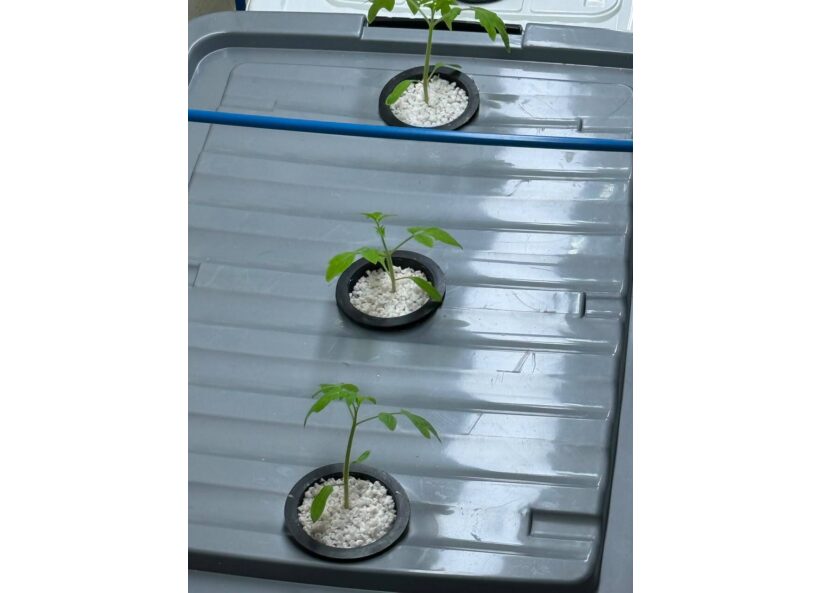
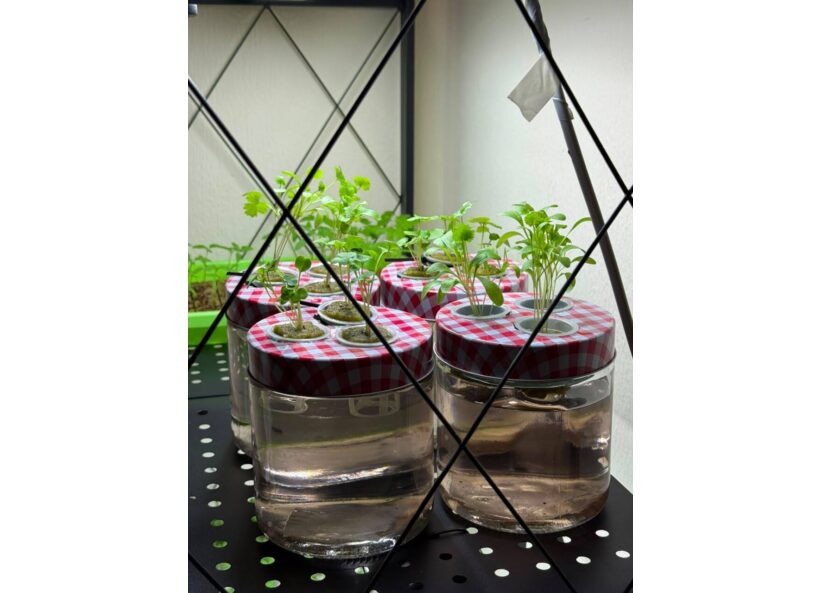
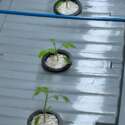
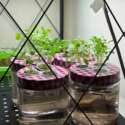
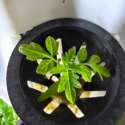
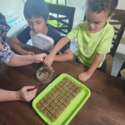
For our Kratky setup, we prepared containers with water and nutrient solution. The plants were placed above the solution so their roots could grow down into it.
As the plant uses the water, the water level gradually goes down. This creates space for some of the roots to be exposed to air while other roots remain in the nutrient solution.
We also used black cloth to block light from reaching the nutrient solution, helping protect the root environment.
Like hydroponics, the Kratky system also required us to monitor the plants and maintain the setup.
Building and Maintaining Our Systems
We prepared our systems step by step,
Hydroponics;(Active)
- Chose Vertical and horizontal both systems
- Build as per manual
- Prepared the growing containers.
- Added the growing medium.
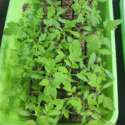
- Planted the seed
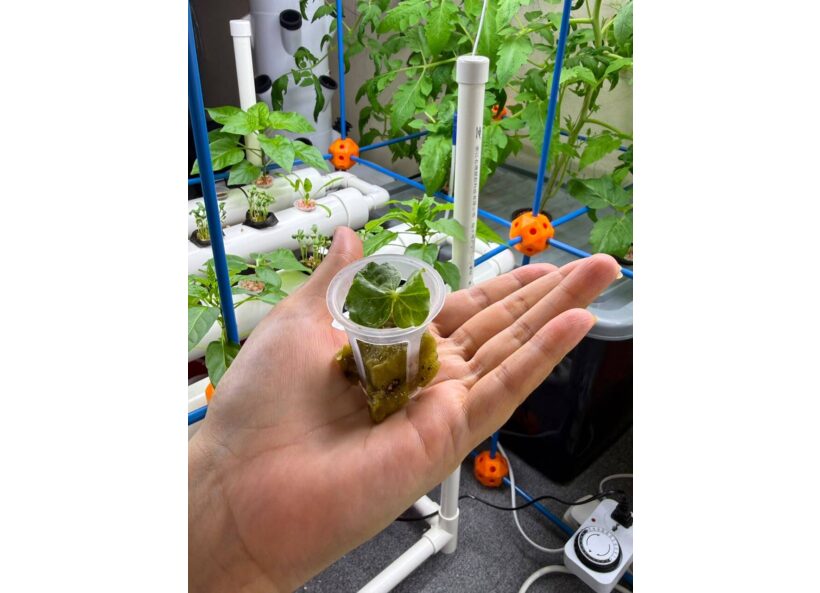
- Transferred seedlings to net pots
- Prepared the nutrient solution.
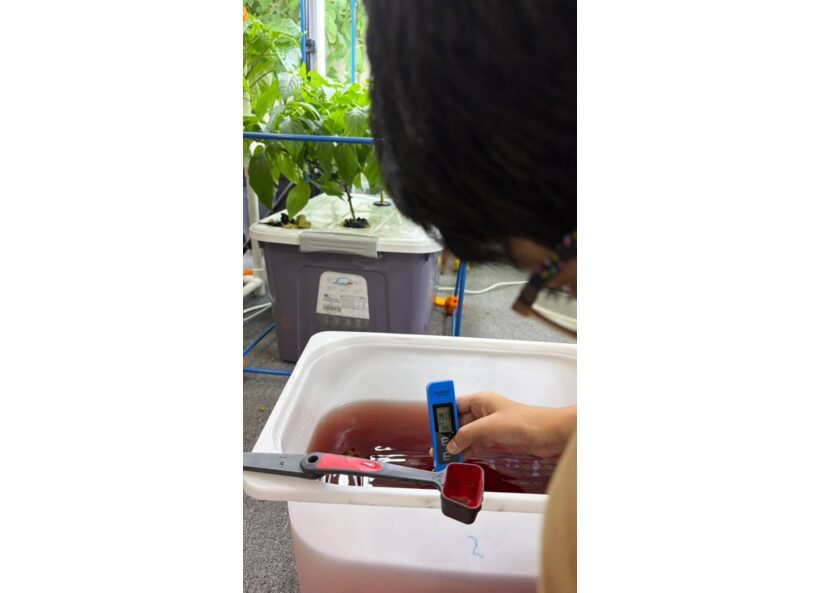
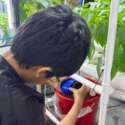
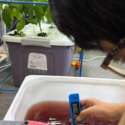
- Checked and adjusted the pH.
- Installed the water pump.
- Connected the water circulation system.
- Provided light and airflow.
- Monitored the plants and nutrient levels, pH , temperature, airflow, light source
- Maintained the system.
- Harvested the plants.
Kratky:(Passive)
- Selected the suitable containers.
- Prepared the lids and net pots.
- Added the growing medium.
- Planted the seeds
- Prepared the nutrient solution.
- Checked and adjusted the pH.
- Filled the containers with the nutrient solution.
- Placed the plants in the containers.
- Allowed the water level to decrease naturally.
- Provided light and airflow.
- Monitored the plants and water level.
- Harvested
What Did We Grow?
We experimented with several plants, including:
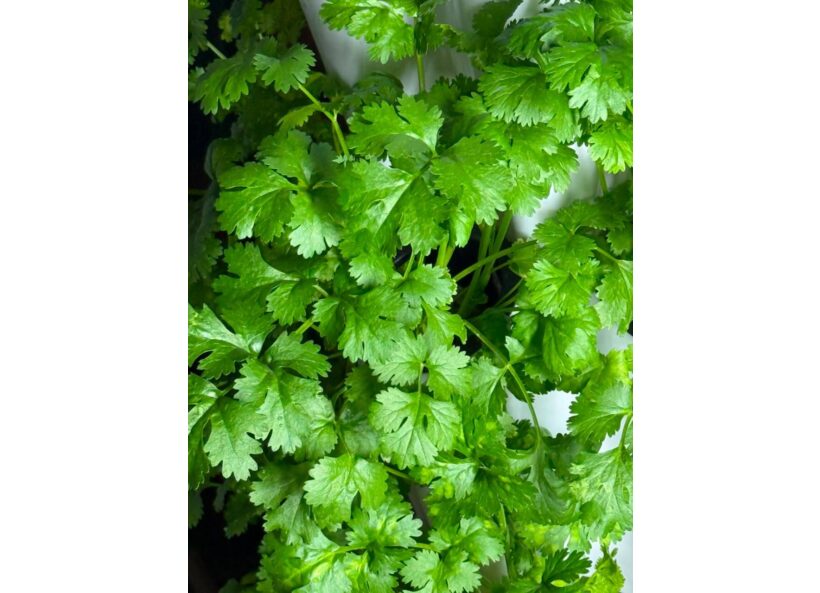
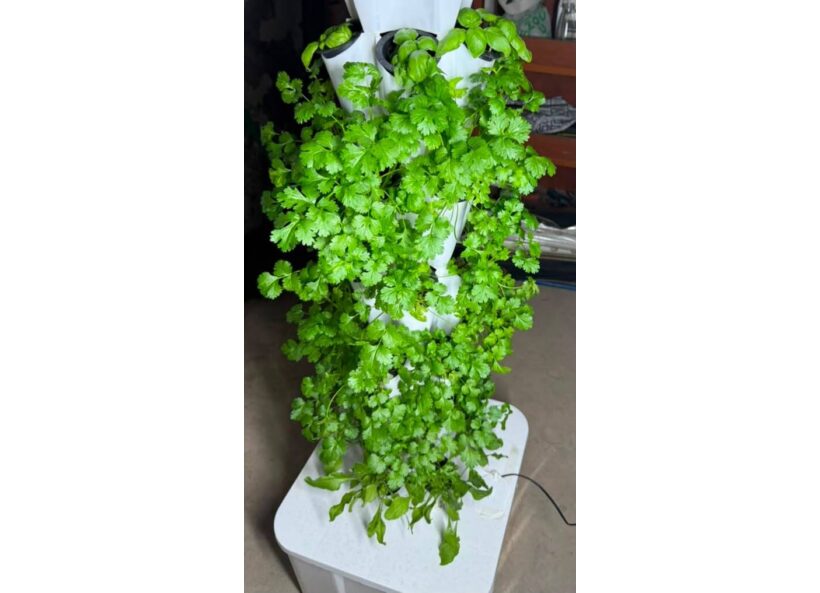
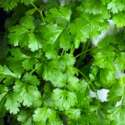
- Coriander
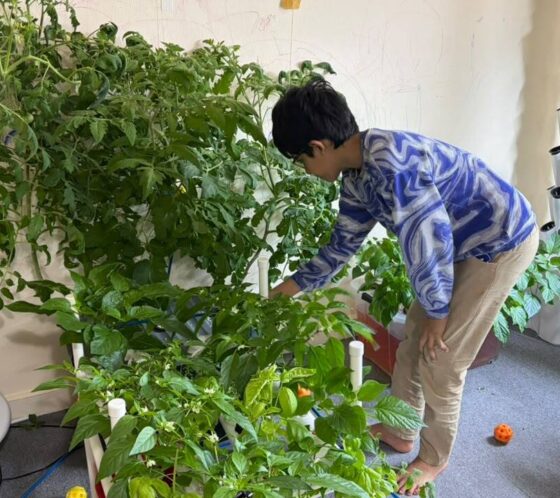
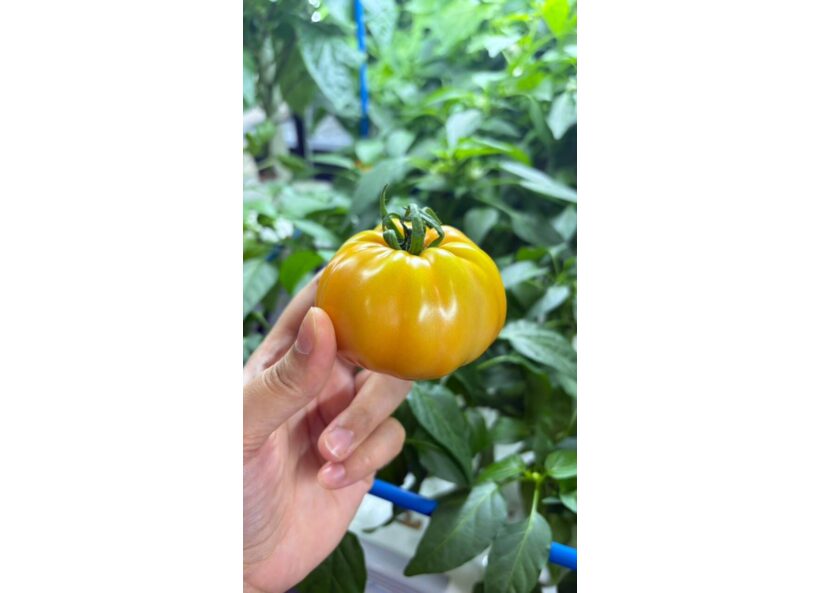
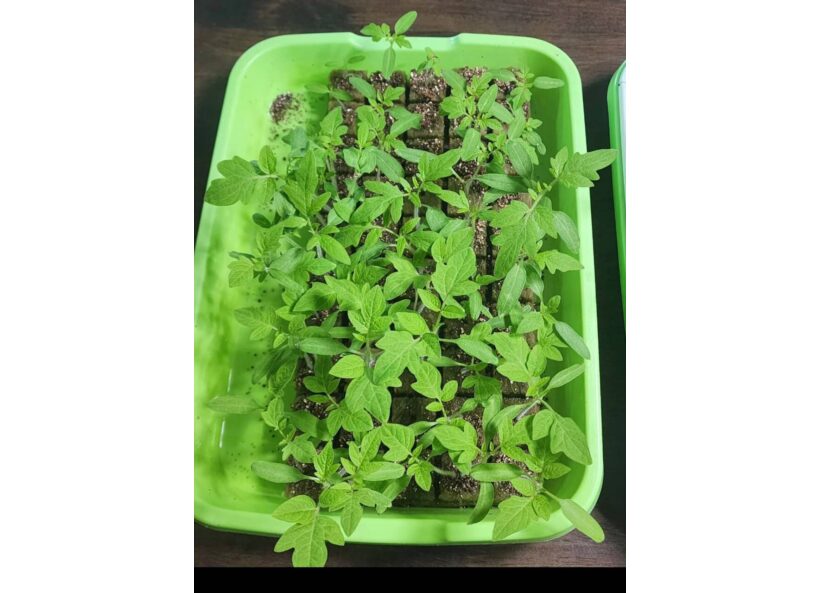
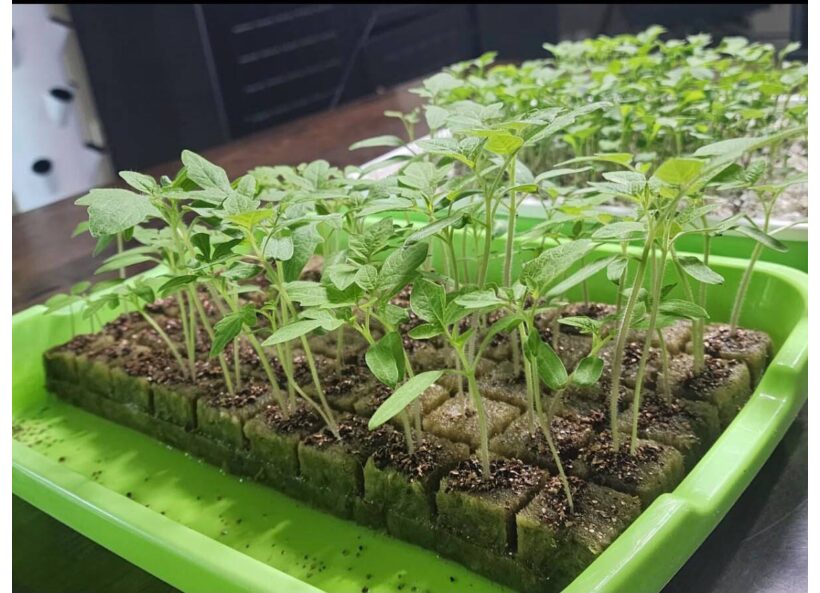
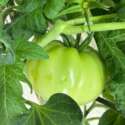
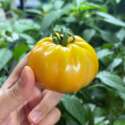
- Tomatoes (Cherry tomato, Roma Tomato, Campbell Tomato)
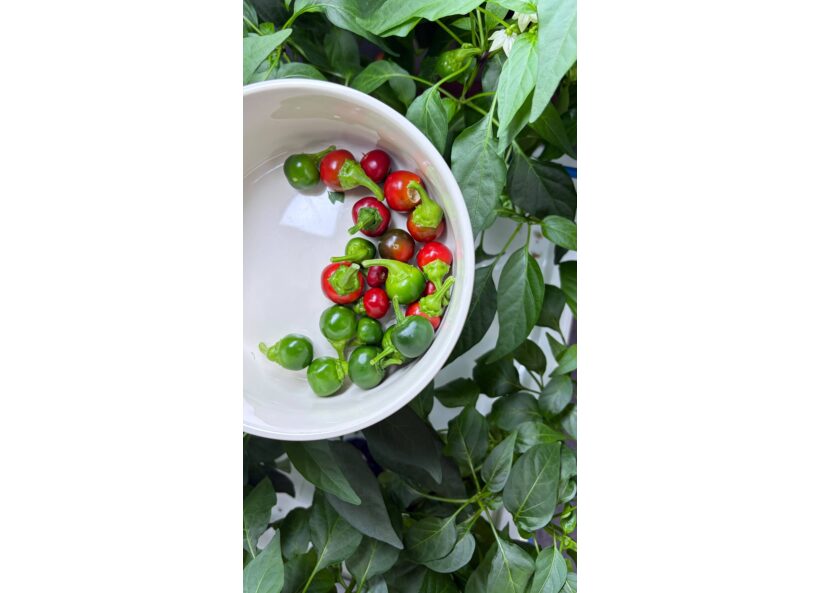
- Cherry pepper (Pimento pepper)
- Basil
Each plant gave us different results and different learning experiences.
Coriander grew very well amazing yield
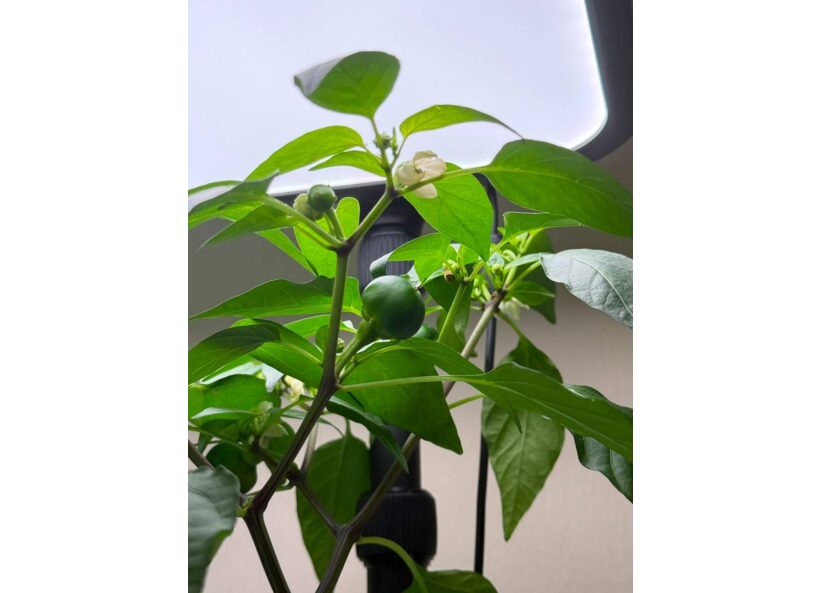
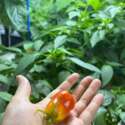
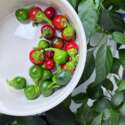
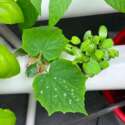
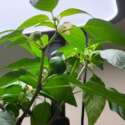
Peppers grew very well and gave us a good yield. It was exciting to watch the plants develop flowers and then successfully produce fruit.
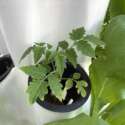
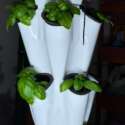
Basil also grew well and gave us a good yield.
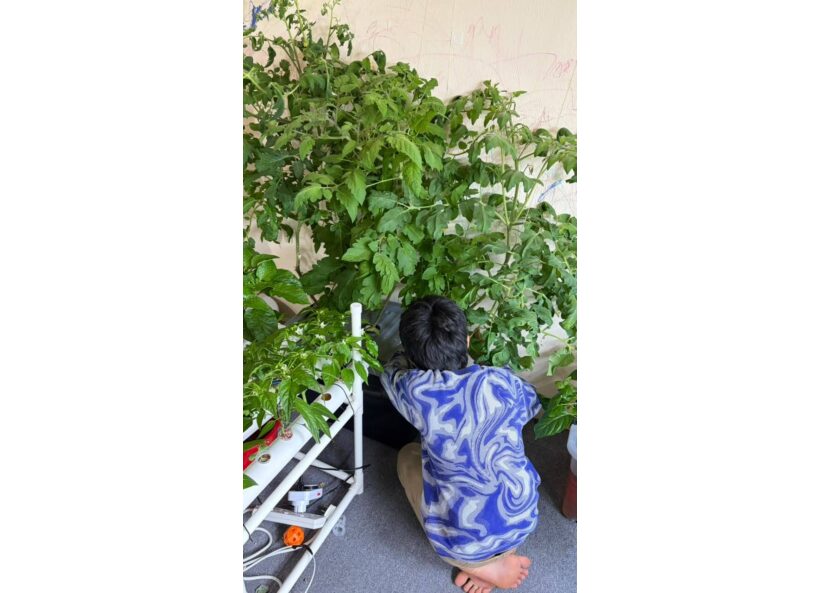
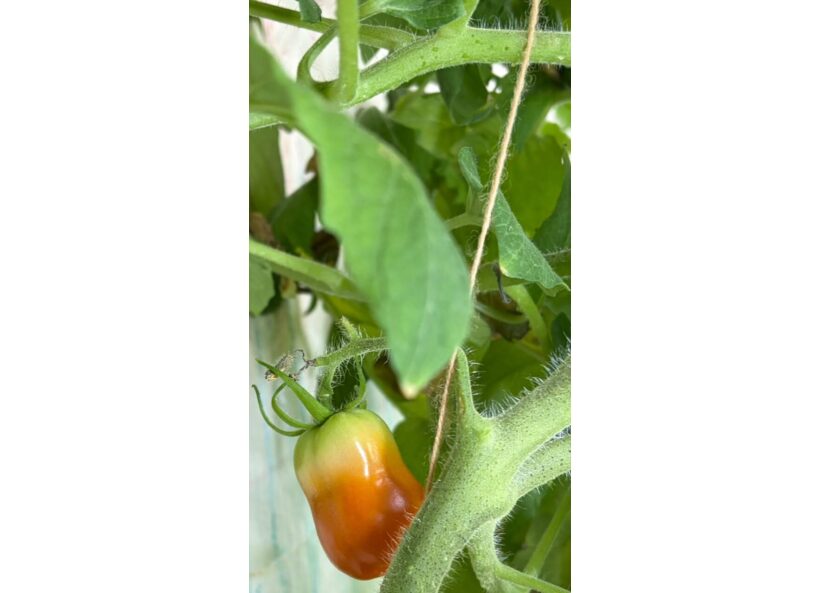
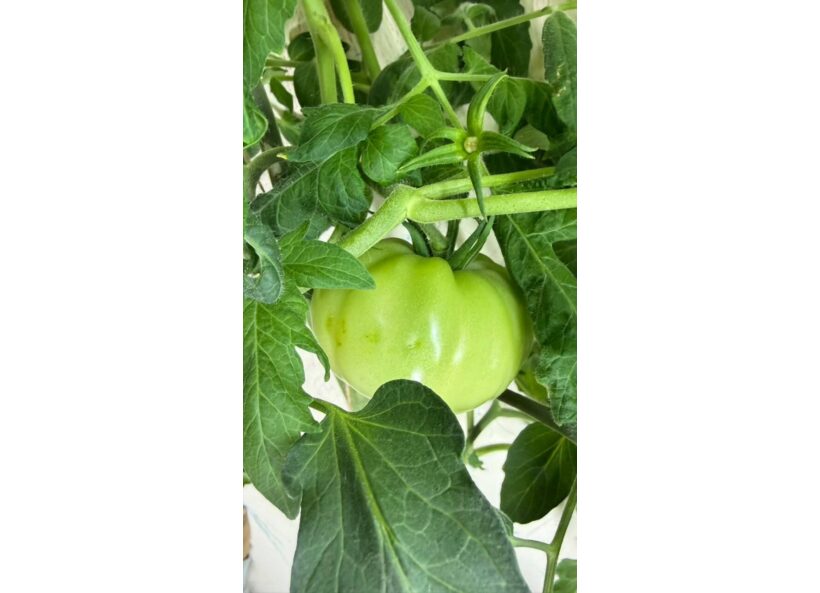
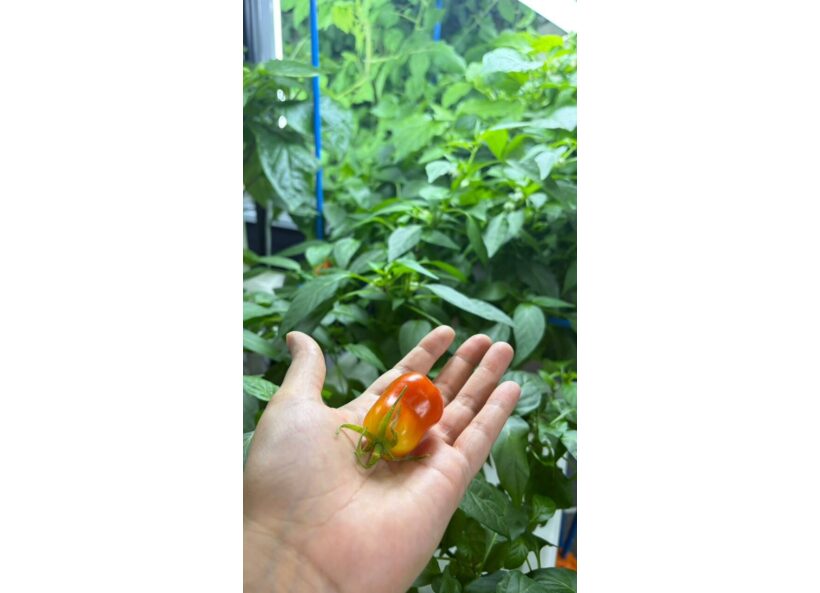
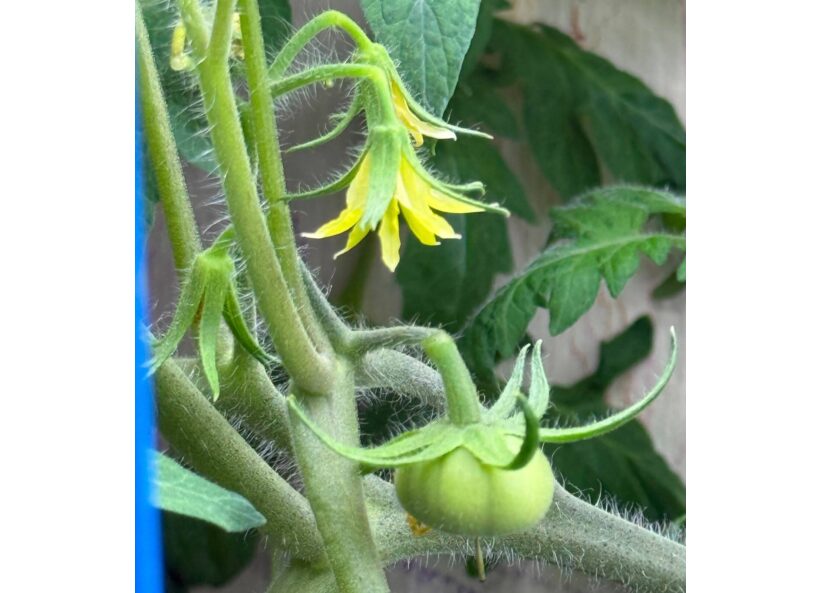
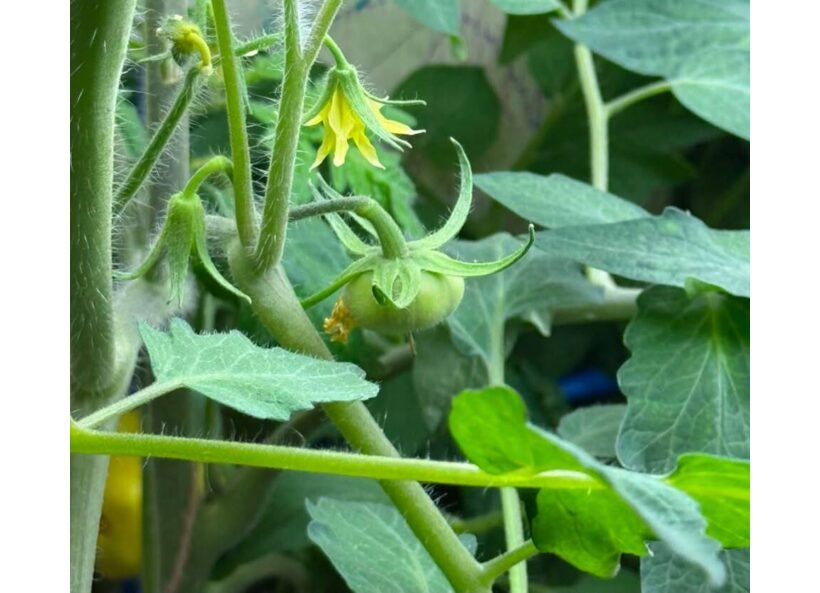
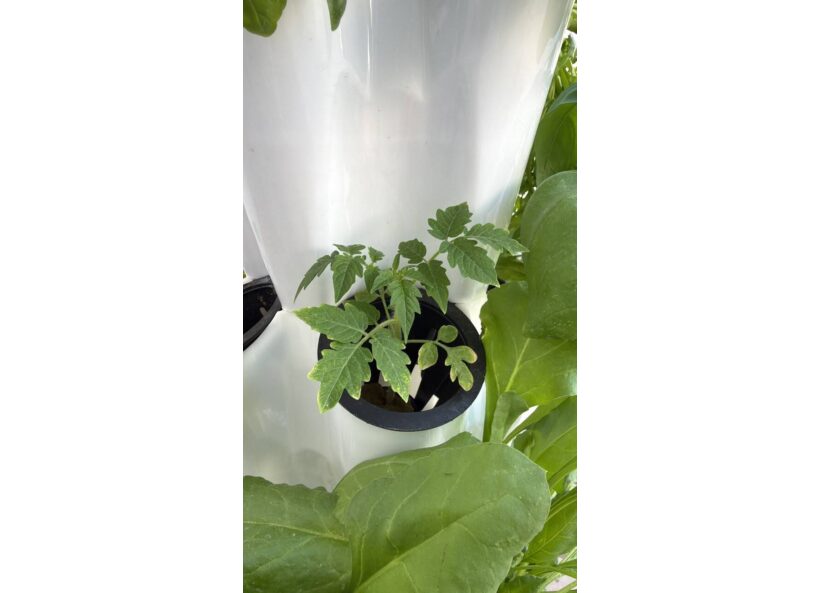
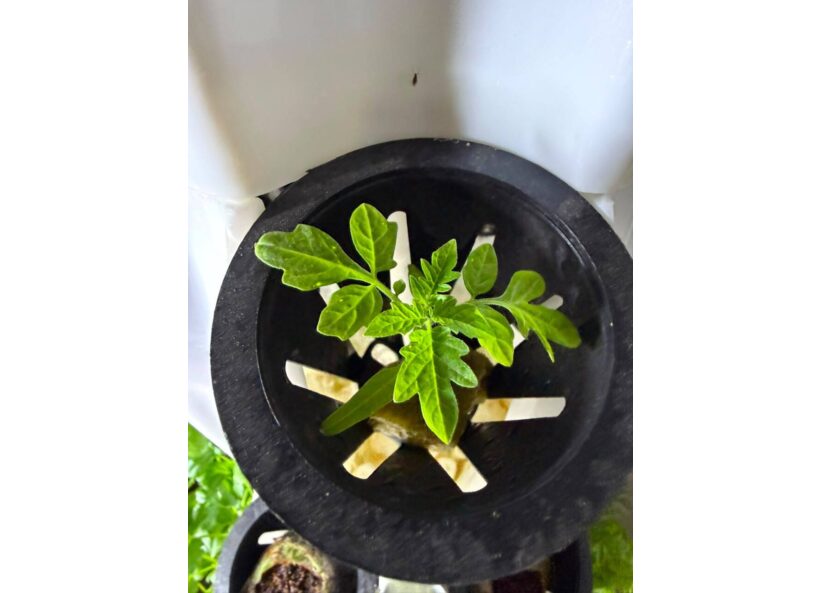
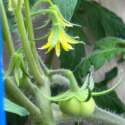
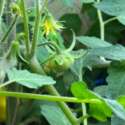
Tomatoes plants showed great flowering, but we faced an important challenge. Since the system was indoors, there were no natural pollinators visiting the flowers.
We tried hand pollination, but it did not work very well. Although the tomato plants flowered successfully, we did not get the fruit yield we had hoped for.
This became one of the most important learning experiences of our project.
Water Conservation and Sustainability
One of the reasons we explored these systems was to understand how food can be grown while using water more carefully.
In hydroponics, water can be circulated within the system instead of repeatedly watering soil.
In the Kratky method, plants grow using a contained nutrient solution without daily watering.
Both systems allowed us to observe and manage exactly how much water the plants were using.
This is especially important when thinking about growing food in a hot climate, where water conservation is an important part of sustainability.
Indoor vs Outdoor Pollination
One of the most interesting parts of this project was comparing our indoor growing system with outdoor growing.
Indoors, we could provide water, nutrients and light. However, when our tomato plants flowered, we realized that something important was missing: natural pollination.
In our outdoor garden, we have observed bees, butterflies and other insects visiting flowers and helping with pollination. Wind and the natural environment also play a role in the growing process.
Inside our hydroponic system, we had to try to take on some of nature's role ourselves through hand pollination. However, our experience showed us that it was not as easy as we expected. Hand pollination didn't work for our tomatoes and only 2 tomatoes could grow,and bunch of cherry tomatoes. We are now exploring other ways for pollination indoors.
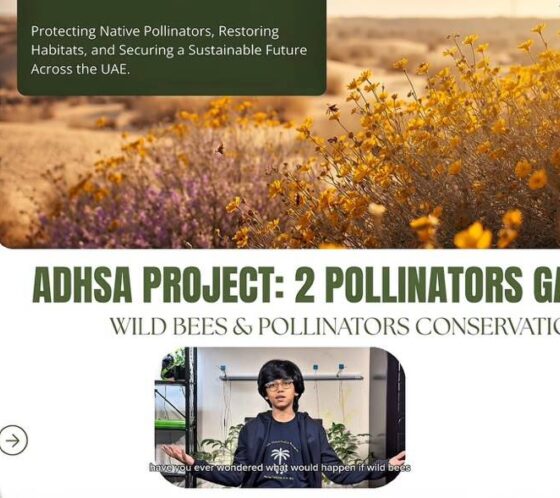
This comparison helped us understand the importance of nature and pollinators ,they do such hard work.
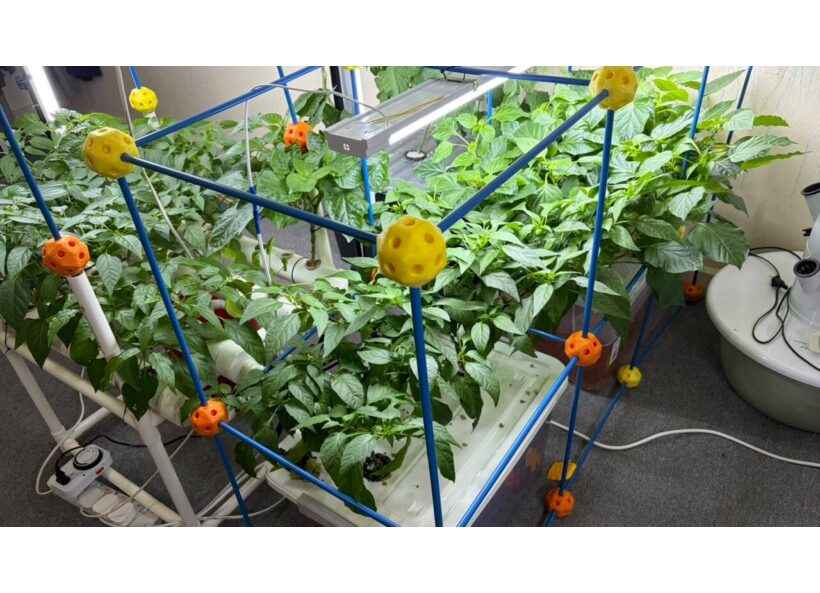
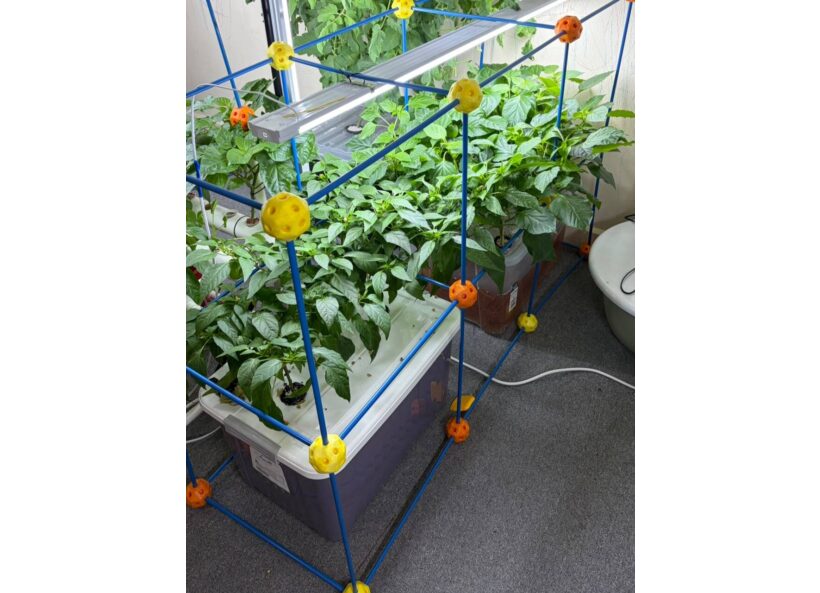
Muhammad Adeel’s Innovative idea- DIY Light hanging frame made from Toy construction tools
Another challenge was providing a suitable light source for the indoor plants.
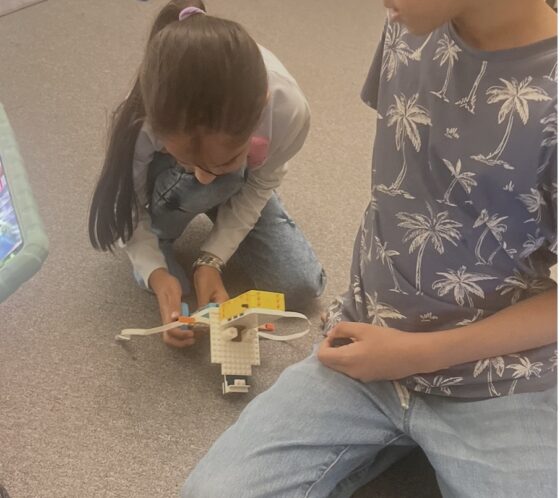
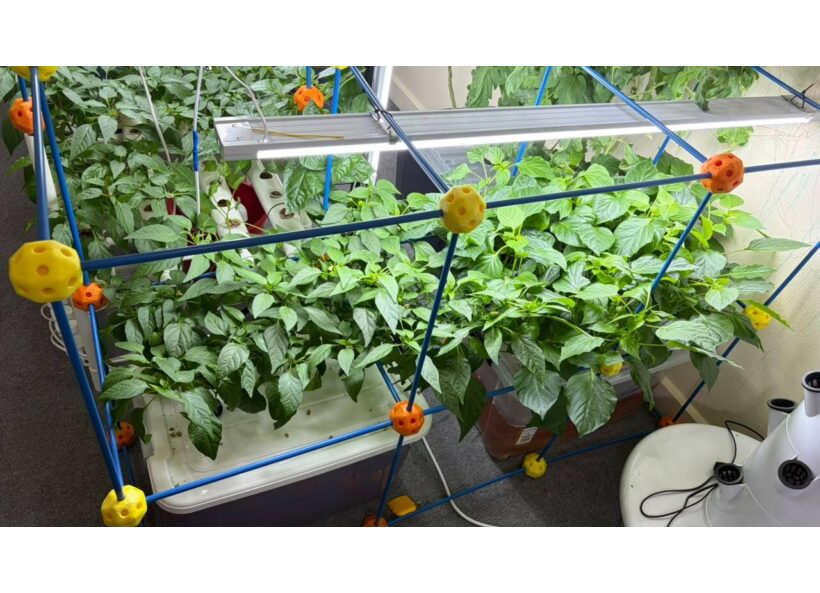
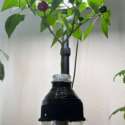
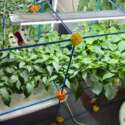
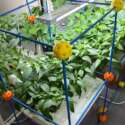
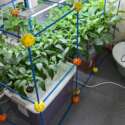
Instead of using a ready-made structure, the Muhammad Adeel created a DIY setup for hanging the light using toy construction tools.
The construction pieces were used creatively to build a structure that could support and position the light source for the plants.
This became a simple but meaningful example of using available materials creatively and finding solutions through experimentation.
When the Pump Stopped Working
Our project also had unexpected challenges.
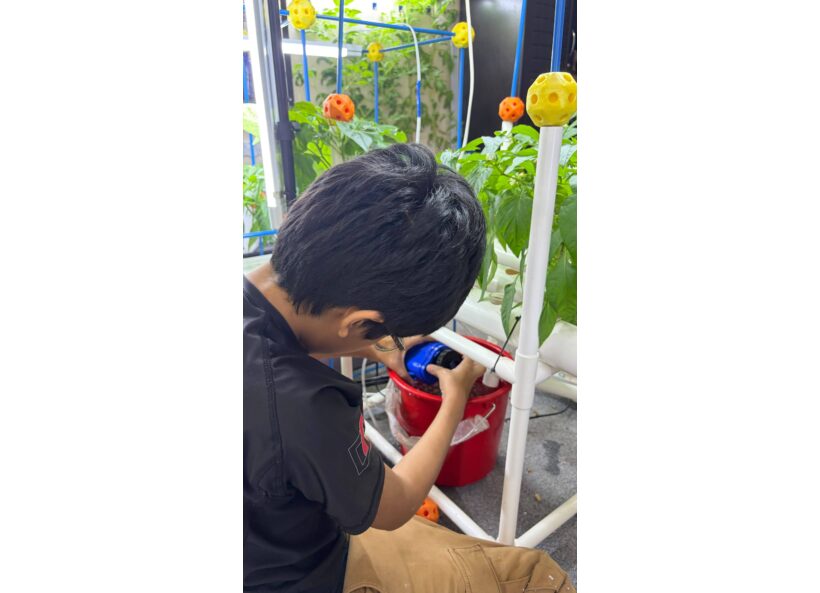
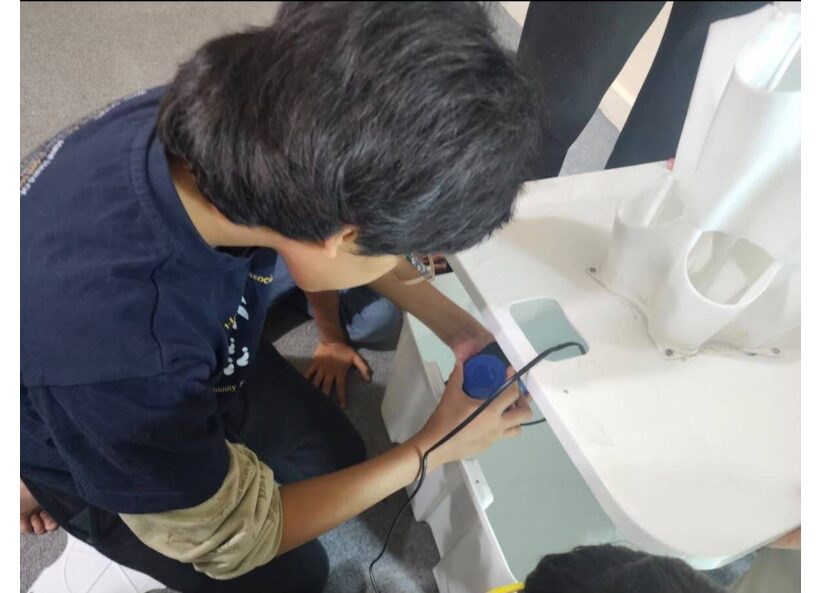
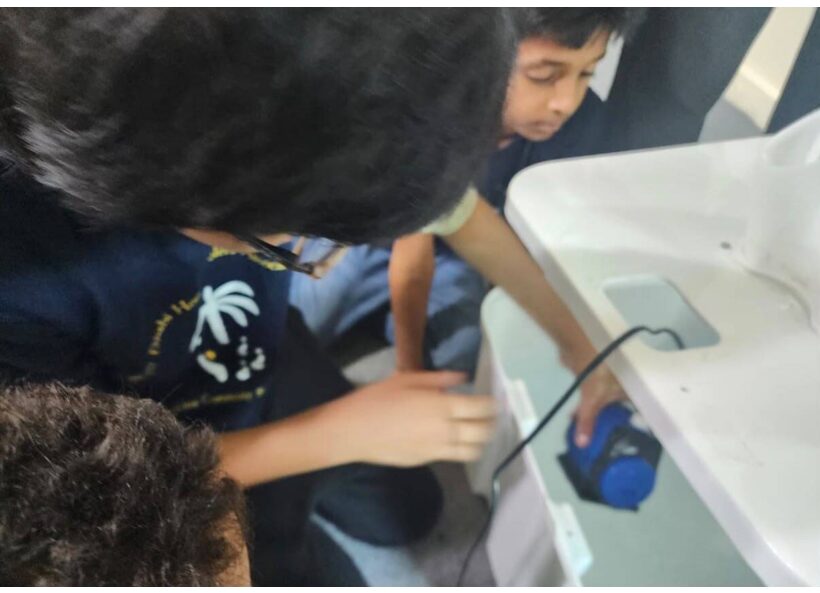
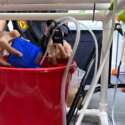
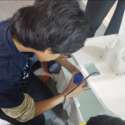
At one point, the hydroponic pump stopped working. Instead of immediately replacing it, Muhammad investigated the problem and worked on fixing the pump.
This became another important part of the learning journey.
Not every experiment works perfectly. Sometimes the best learning happens when something stops working and we have to observe, troubleshoot and find a solution.
Community Impact
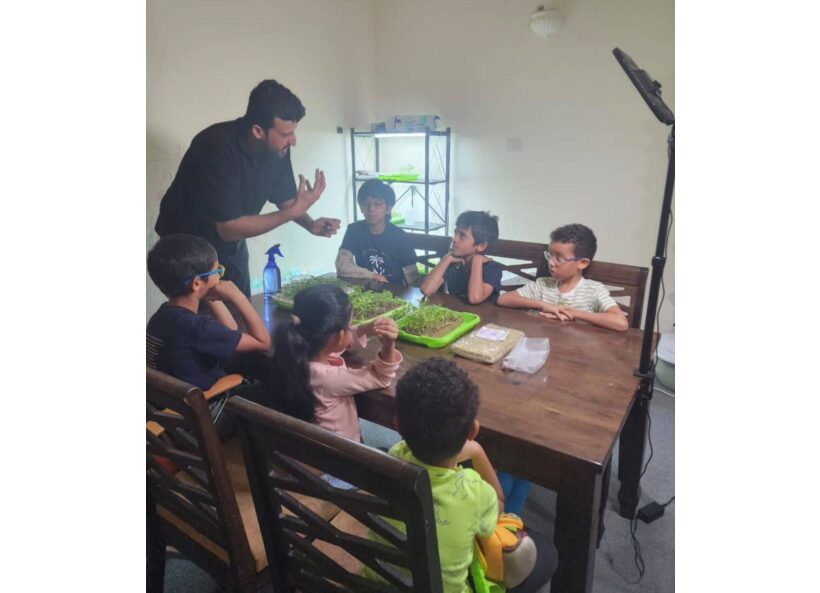
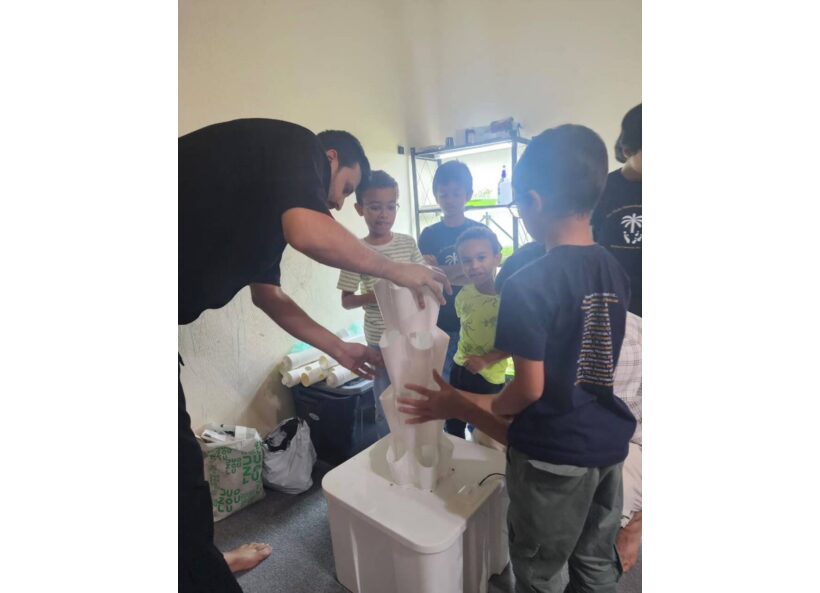
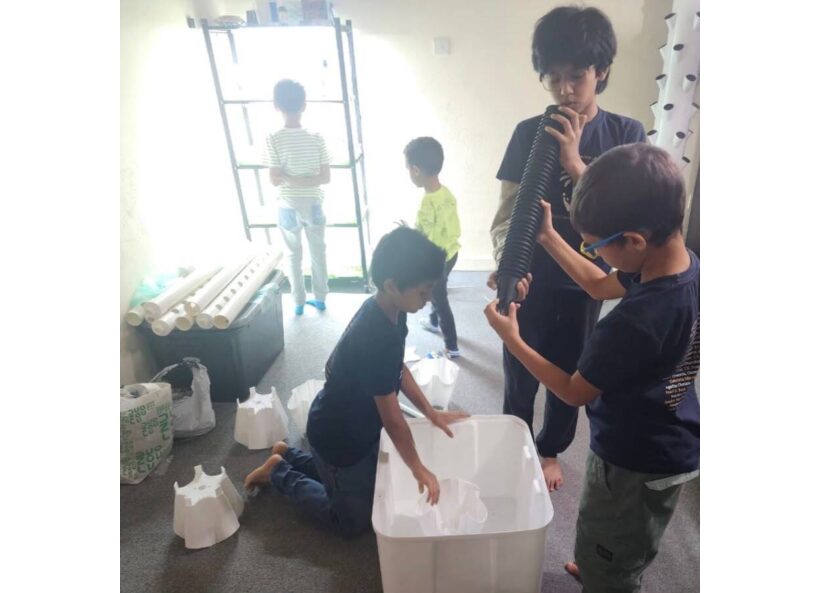
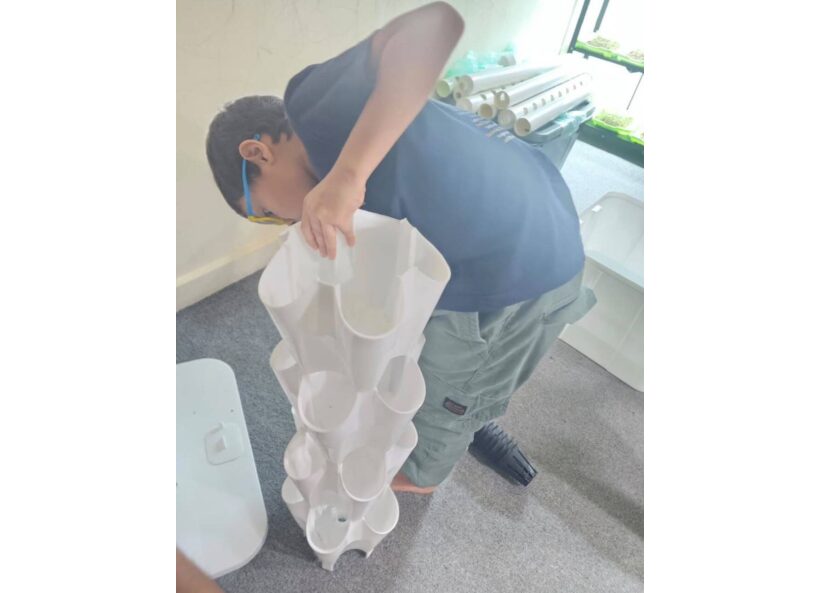
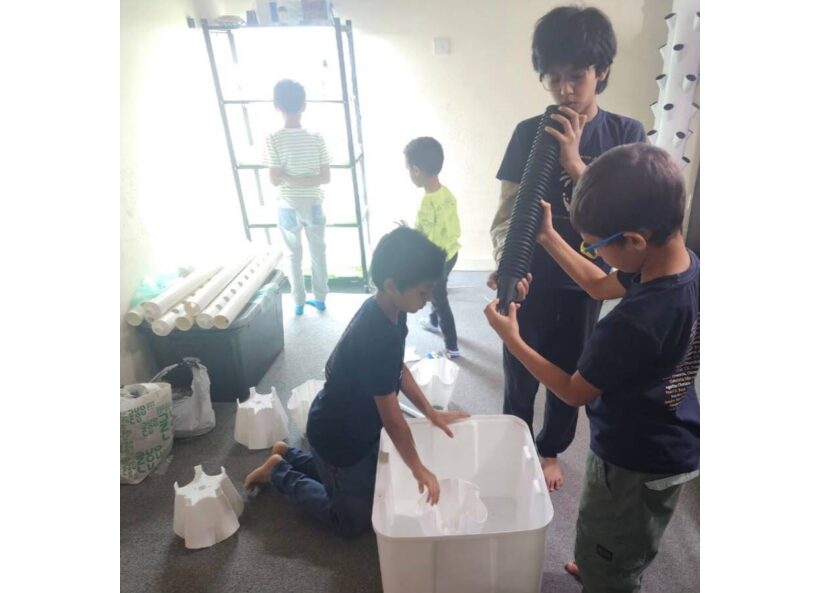
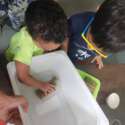
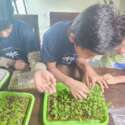
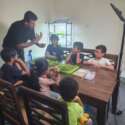
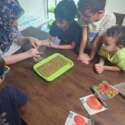
Hydroculture Workshop
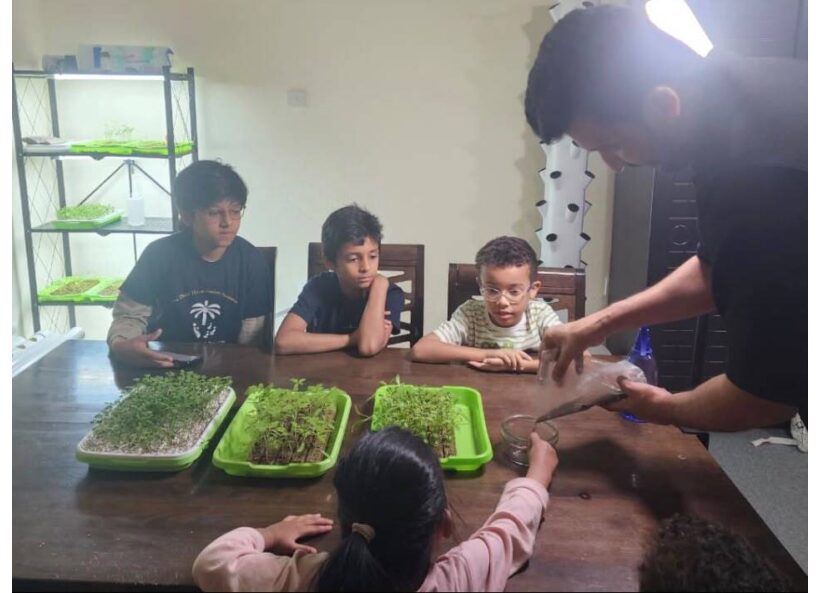
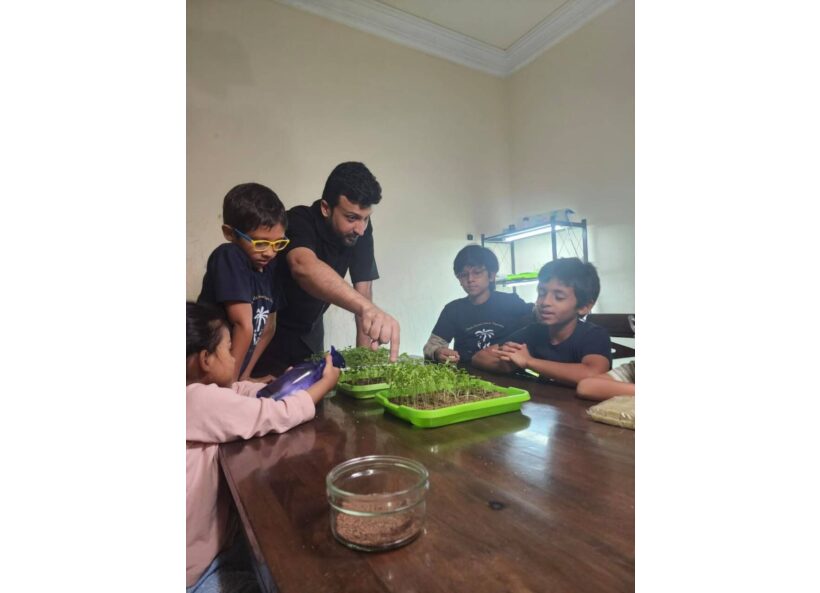
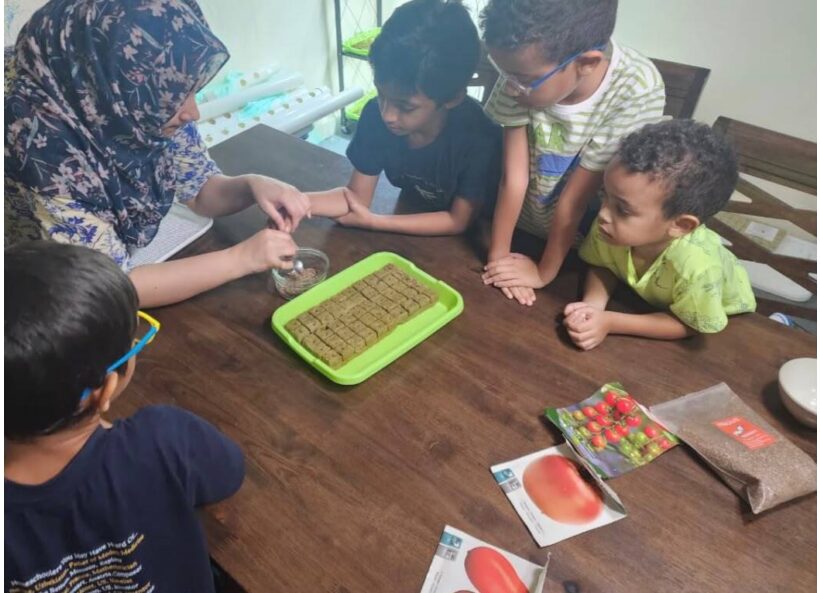
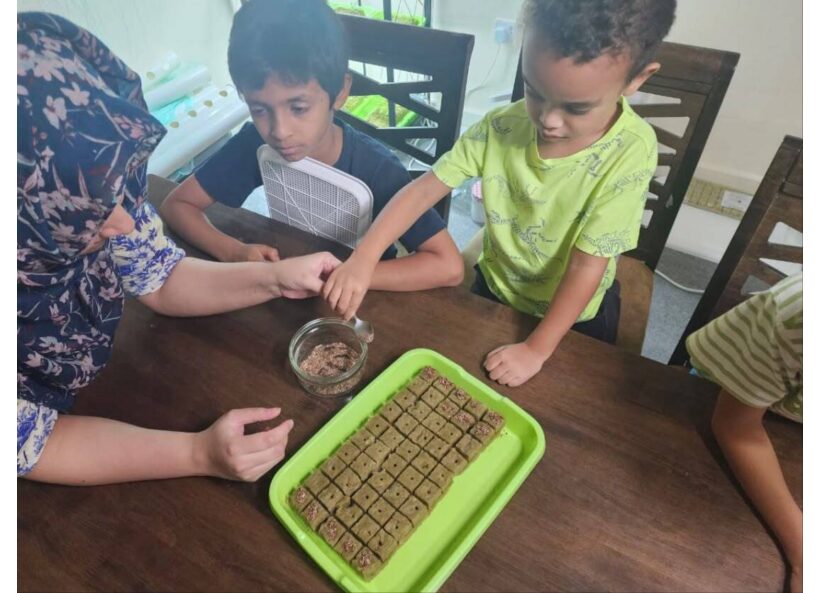
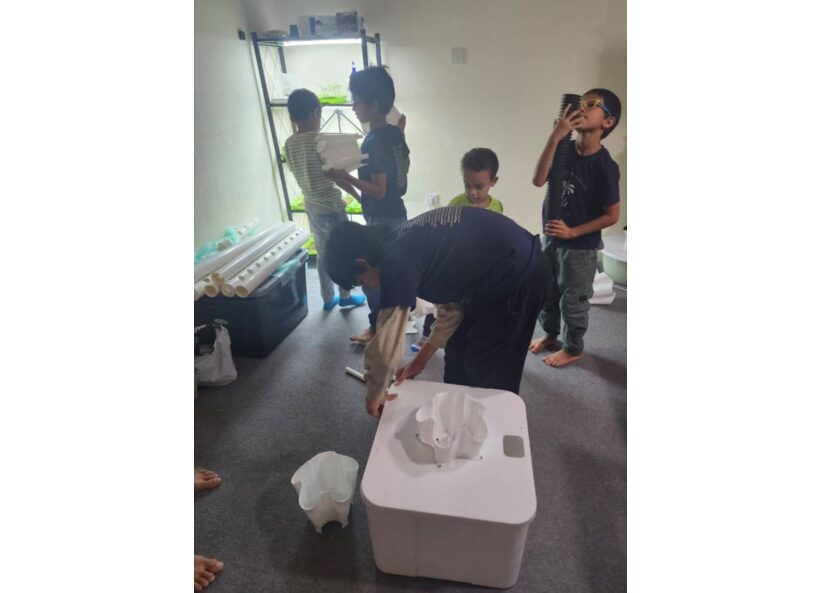
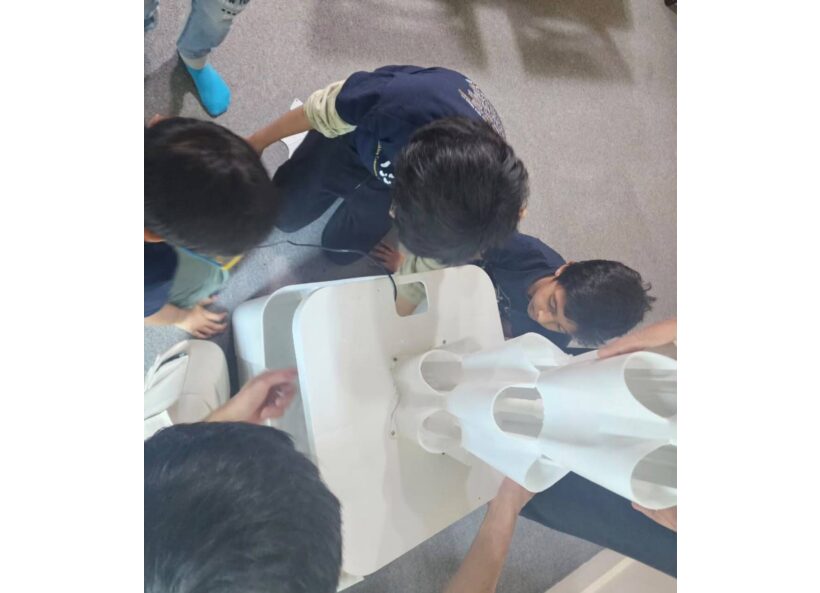
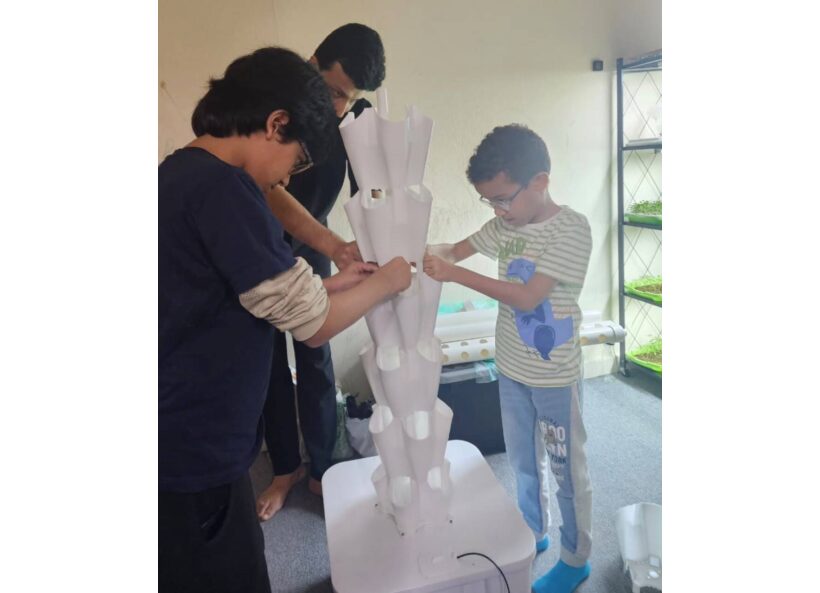
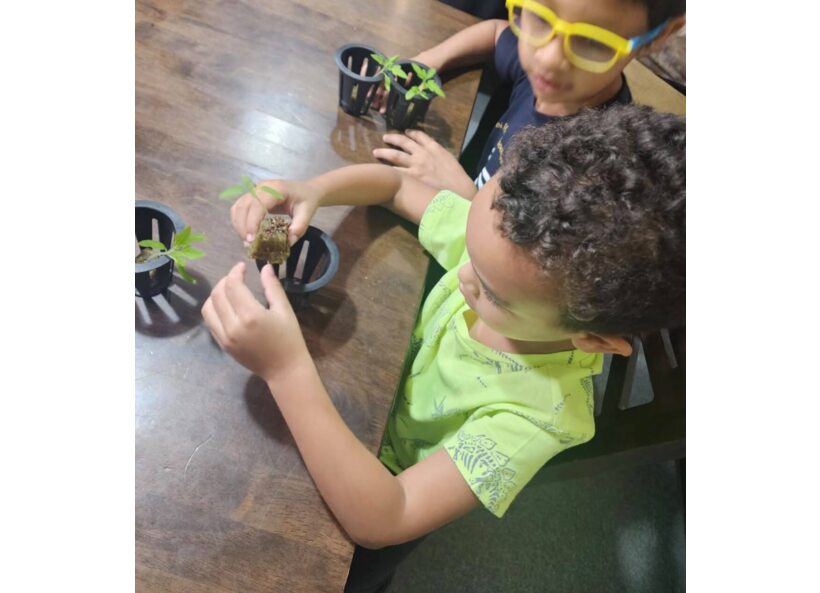
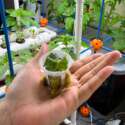
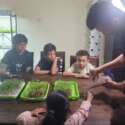
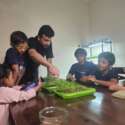
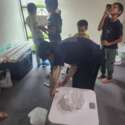
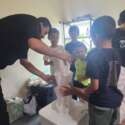
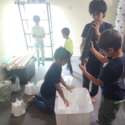
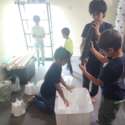
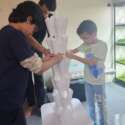
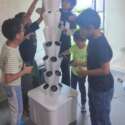
We also conducted a hands-on workshop for children in the community, giving them an opportunity to experience how a hydroponic system is created and how plants can be grown without soil.Why such sustainable systems are used?How can we conserve water and grow food in extreme climates.
During the workshop, the children:
- Planted seeds
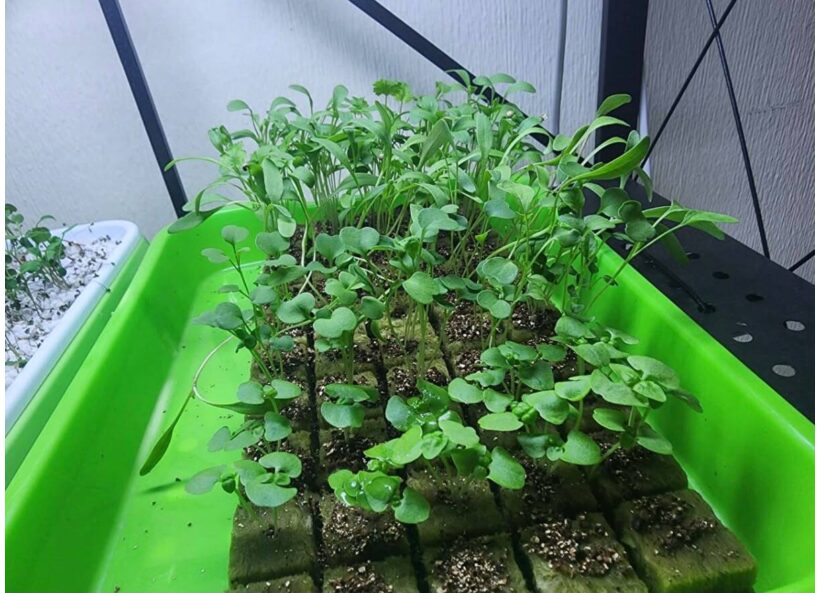
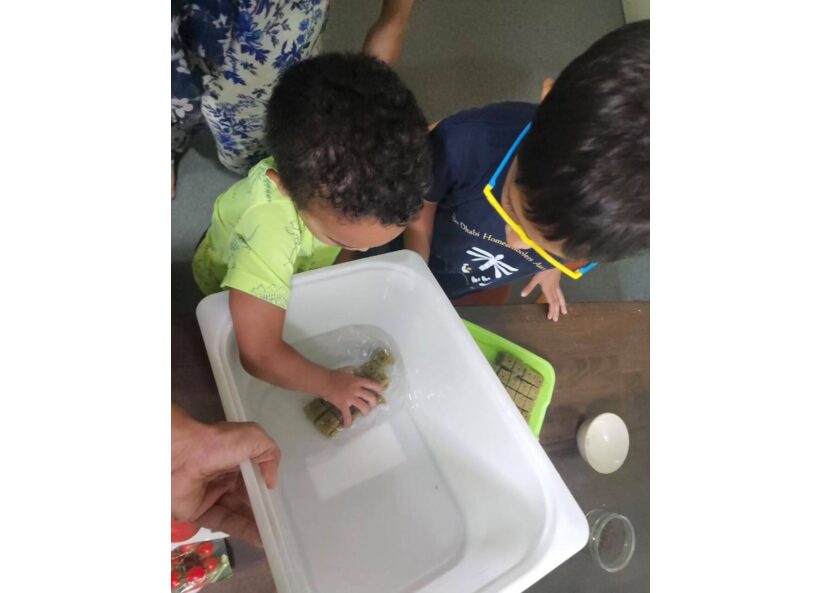
- Prepared the growing sponges
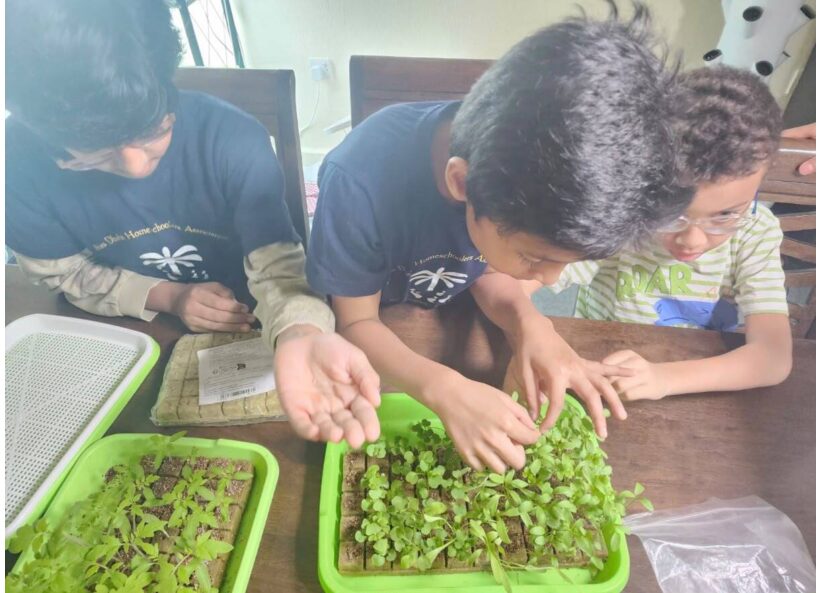
- Transferred seedlings
- Constructed both Horizontal and Vertical systems.
- Learned about different parts of the setup
- Added water
- Checked pH
- Learned about the nutrient solution
- Explored how the pump circulates water through the system
- Attached the pump
Muhammad Adeel: Over the past five months ,this project has taught us much more than how to grow plants without soil. In hot extreme climates what sustainable solutions are available We learned about pumps, nutrient solutions, pH, light, air, temperature and maintenance. We learned that different plants can respond very differently to the same growing environment. We also learned that successful flowering does not always mean successful fruit production. Most importantly, our comparison between indoor and outdoor growing helped us appreciate the natural systems that often work quietly around us. Outdoors, plants are supported by an entire ecosystem. Pollinators, wind, insects and the surrounding environment all play their part. Indoors, we had to think carefully about how to provide many of the conditions that nature provides automatically. We are exploring better ways of pollination indoors .I love maintaining the plants, changing water and monitoring the pH and water levels. Workshop with my friends was the best experience, we enjoyed building the system and placing the pump the most.
What Comes Next?
Our next phase will be to shift some of our plants outdoors and continue observing how they respond to a natural environment and natural pollination.
At the same time, we will begin a new cycle of planting in our hydroponic and Kratky systems.
This project is still growing, just like the plants.
Our Roots & Shoots mission has shown us that sustainability does not always begin with a perfect solution. Sometimes it begins with a question, an experiment, a challenge, something that stops working, and the willingness to keep observing, learning and trying again.
Please Enjoy the pictures and Video